Nvidia CEO's Exit Pulls Congress Into a China Chip Fight
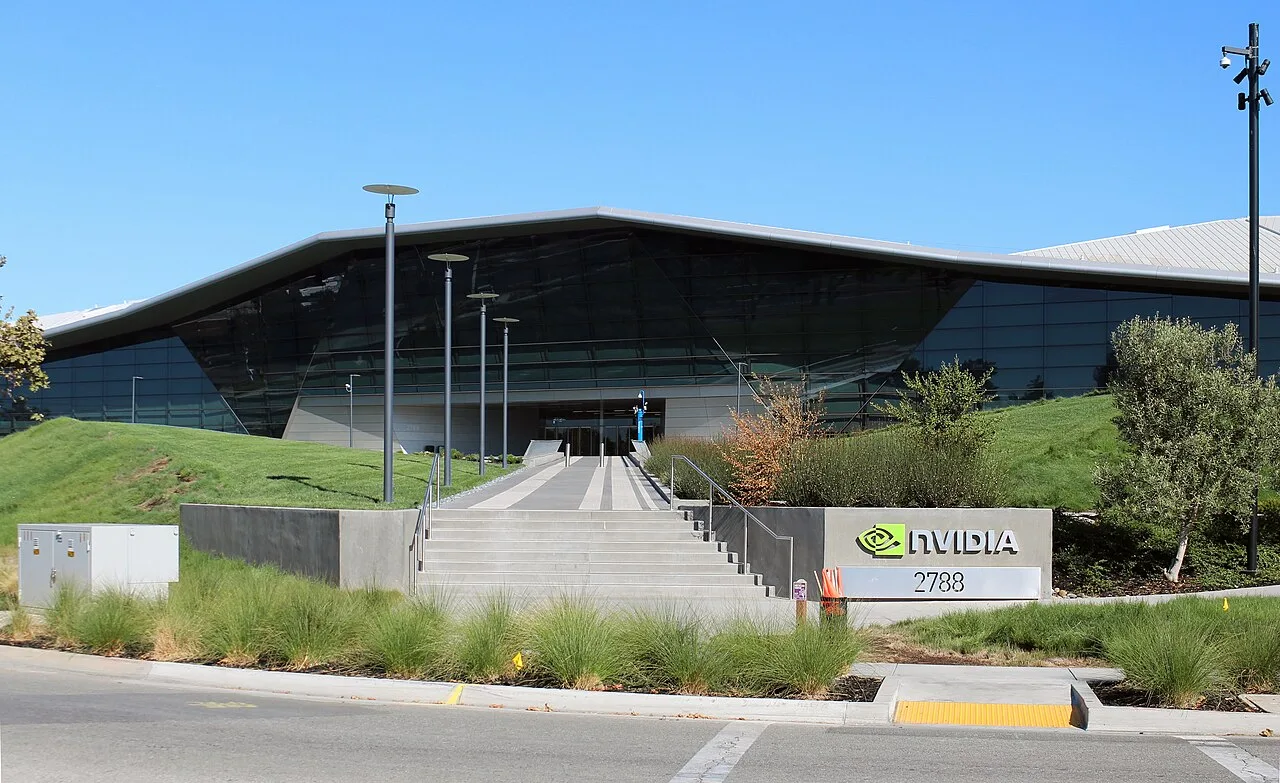
Jensen Huang, the ousted head of Nvidia, and the US commerce secretary are due to testify before Congress within weeks. The trigger is Huang's reported affair with a woman suspected of spying for China, and lawmakers from both parties now say national security may have been put at risk.
The resignation
Huang quit on Thursday, and finance chief Colette Kress took over temporarily. His departure followed reports of several affairs. One was with Alice Huang, who is not related to him and is suspected of being a Chinese spy.
The board's statement said nothing about the spying allegation or the conduct revelations. It praised the "profound" contributions he made to the company he co-founded instead.
A national mood in China
Many people on Chinese social media said they were surprised by how fast it happened. Some mourned the end of an era that had lasted more than three decades. Over 400m posts about the news appeared overnight on Weibo.
Huang was something of a star there. Crowds turned up at his visits for selfies and autographs. In January 2026 sellers offered photographs with him for 25,000 yuan ($3,700), and a Beijing restaurant put a special menu above 400 yuan on its card after he ate there.
Why the chips matter
Nvidia's advanced processors are widely used to train leading AI models. That makes the company central to the contest between the US and China over who builds the better systems. Washington has long tried to stop the Chinese military from benefiting.
Reuters, citing people familiar with the matter, reports that Chinese AI companies are now trying to get hold of Nvidia chip capacity outside China. There is concern that the scandal could close a gap in American export controls. Beijing is also pushing domestic substitutes, including through Huawei. Analysts say those chips still lag in efficiency for training advanced models.
House Speaker Mike Johnson said on Thursday that a consensus was growing in Congress. "I think there's a developing consensus in Congress that is an important position to take," he told reporters. Statements issued since Monday show lawmakers urging colleagues to pass at least four chip-export bills.
What Congress is asking for
Senate Democratic leader Chuck Schumer wants Huang and Nvidia to say whether America's security was jeopardised. He also wants the Trump administration to explain how it acted once it learned of the relationship. House Democratic leader Hakeem Jeffries has asked for a classified briefing on Nvidia for every member of Congress.
Republican Tim Scott chairs the Senate banking committee. He has written to Huang and to commerce secretary Howard Lutnick asking both to appear, and says he would think about a subpoena if Huang declined. "The American people deserve answers," he said. A spokesperson for Lutnick told NBC News that he has agreed to appear voluntarily. House foreign affairs chair Brian Mast, also a Republican, said staff had talked to Nvidia on Wednesday night about a date and place for Huang's testimony.
The president and the commerce department
The New York Times has reported that Donald Trump phoned Huang two days before the resignation and encouraged him to hold on to his post. Schumer asked on Thursday what the president knew when he invited Huang aboard Air Force One for a state visit to Beijing earlier this year.
Lutnick is under pressure too. Critics have faulted how his department oversaw Nvidia's exports to China, and its refusal to put dozens of Chinese companies on a key US trade blacklist.
Source: the Guardian