Niesr Says Bank of England Rate Rise Was Too Timid
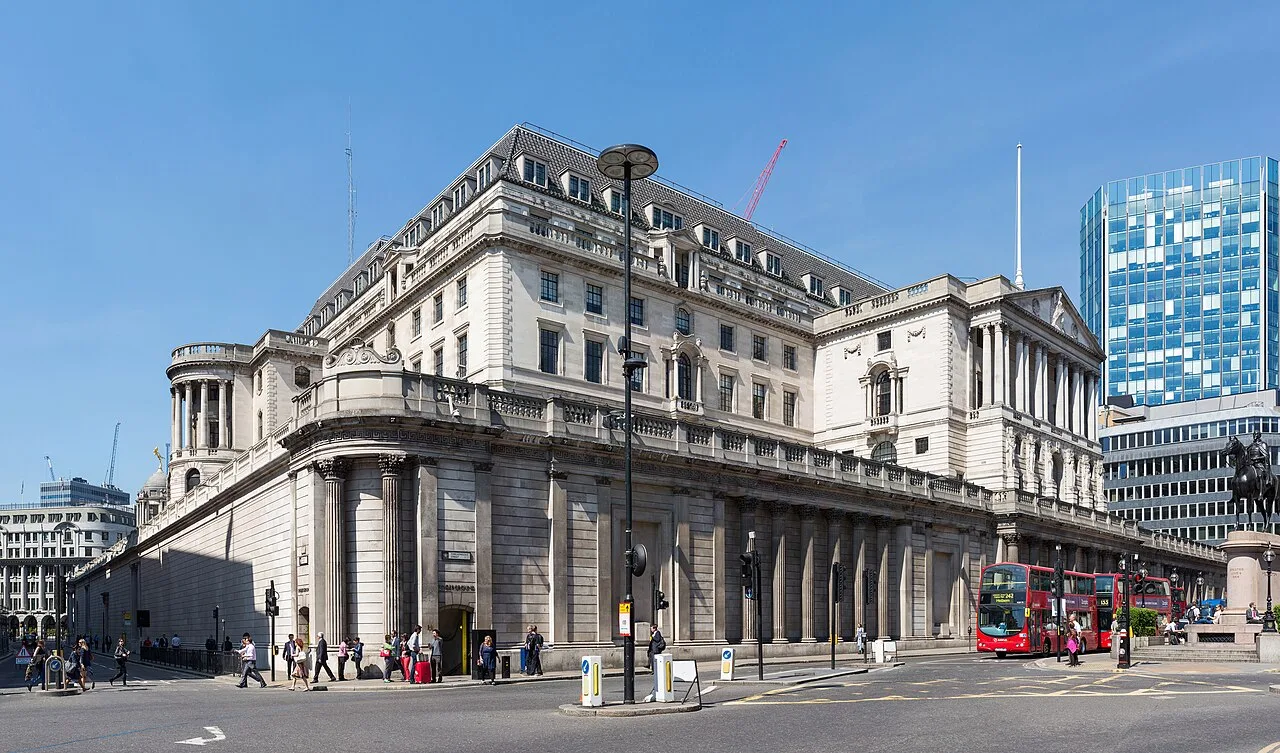
Borrowers may face high interest rates for longer, according to a leading thinktank that has criticised the Bank of England's latest move. The National Institute of Economic and Social Research (Niesr) says last week's small rate rise was too hesitant, and it expects inflation to stay above the Bank's 2% target until at least 2030.
Weaker growth and a gap in the budget
Niesr expects the UK economy to grow by 1.6% this year. For 2028 it expects only 0.9%, as high inflation, high interest rates and tight public spending weigh on consumers and businesses.
Chancellor John Healey drew criticism for putting off difficult decisions in last month's budget. The institute says that if the habit of the past decade is repeated next year, it would leave a £30bn hole in the government's finances.
Niesr's director, David Aikman, warned that lenders could make borrowing dearer for the UK if it became clear that spending on areas such as defence would soar with no savings elsewhere. Higher energy prices and rising global borrowing costs together amount to a twin hit that, he said, nobody is addressing. He described those pressures as global and unavoidable, but said the response is a domestic choice, with decisions on both interest rates and spending being postponed.
Oil, markets and the Iran war
Fuel is the main driver behind UK inflation of 3.5%, well above the Bank's 2% target. Energy prices have climbed since late February, when the US and Israel went to war with Iran.
Brent crude, the international oil benchmark, has traded persistently above $100 a barrel in recent weeks, against about $70 before the war. On Tuesday it slipped below $90 at one point, the lowest since 31 August. The dip followed remarks by Donald Trump, who played down the prospect of military action against Iran for the time being.
Investors did not hold on to the optimism. US inflation rose by 0.4 percentage points from September to October, a sign that costly oil and gas were still feeding through to prices. By early afternoon on Wall Street, the S&P 500, which tracks leading US companies, had lost 0.9%.
Niesr's forecasts for UK and global growth assume oil at $105 a barrel. It cautioned that shipping and refining problems will slow the fall in consumer prices even though oil has dropped. Stephen Millard, an economist at the institute, said the cheaper oil also depends on Trump sticking to his new policy. "We've seen him change his mind before," he said.
The case against a cautious Bank
The Bank's monetary policy committee, the panel that sets interest rates, raised the rate from 3.75% to 4% last week. It signalled that another rise may follow, because the Iran war is pushing prices up.
Niesr says that unless the Bank gets tougher, higher prices are likely to become a lasting feature of the economy. Aikman urged a more aggressive stance and said every ingredient was in place for workers to ask for pay rises tied to inflation.
He expects inflation to pass 4% in the new year, just as most 2027 pay awards are being settled, which raises the risk that high prices become embedded.
"One further quarter-point rise is unlikely to be enough," he said. In his view, the longer the committee waits, the more it will eventually have to do.
Source: the Guardian