Liverpool Approves Alcohol Strategy to 2032
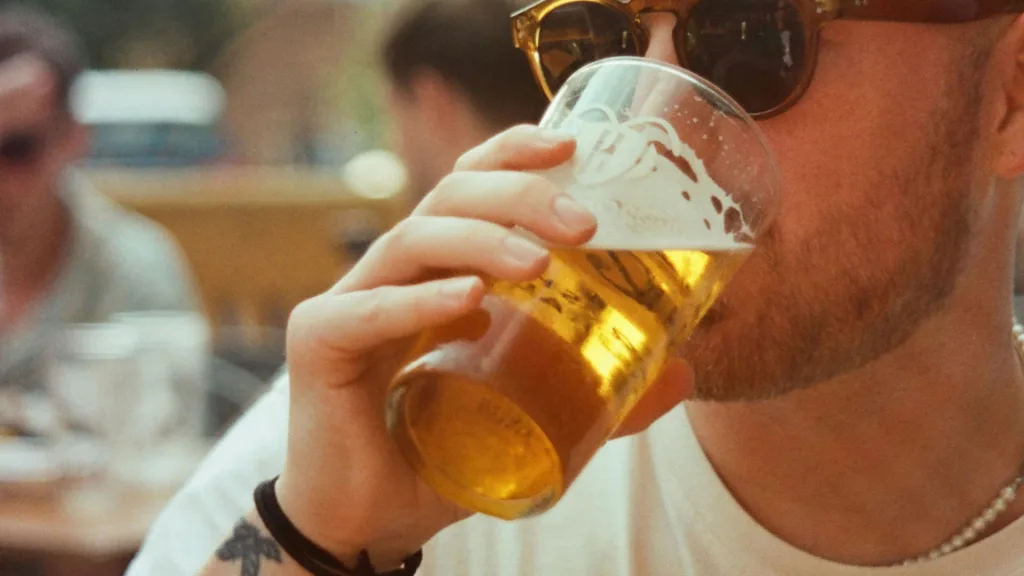
Liverpool City Council's Cabinet has approved the Liverpool Alcohol Strategy 2026-2032, a plan to cut the harm caused by drinking across the city. The strategy was shaped over two years with input from more than 500 residents, community groups, professionals and organisations. It is backed by £70 million of ring-fenced government funding over three years.
The scale of the problem
Council figures estimate that around 67,300 adults in Liverpool binge drink and about 87,000 drink more than recommended guidelines. Alcohol-related harm is thought to cost the city around £331.7m a year. Each year it is linked to 4,791 alcohol-specific hospital admissions and 79 alcohol-specific deaths. Stanley Park has the highest rate of alcohol-specific admissions, at 2,014 per 100,000 people, followed by Newsham and North Docks.
The figures also show 5.1% of women in the city drank in early pregnancy, compared with 2.4% nationally, and 28.9% of people over 65 drink more than 14 units a week.
Five priorities
- Prevention and early intervention.
- Treatment and recovery.
- Keeping communities safe.
- Protecting children, young people and families.
- Evidence-based policy, including support for minimum unit pricing.
There are signs of progress already. The council says 92% of 14 to 17-year-olds now never drink or drink less than once a month, up from about 80% in 2023, and alcohol-related hospital admissions among under-18s have fallen. Over the past year, an extra 838 people started alcohol treatment, and 88% of people supported for alcohol and non-opiate drug use stayed in effective treatment, up from 75%.
Support services have grown as well. The River Drug and Alcohol Service has taken on 130 additional staff, University Hospital Liverpool Group runs specialist referral-only support, and the Whitechapel Centre offers housing and recovery help for people at risk of homelessness.
Cllr Harry Doyle, cabinet member for health, said the city's relationship with alcohol is not currently balanced, while stressing the value of Liverpool's pubs, bars and nightlife. Director of public health Professor Matthew Ashton said alcohol harm can be prevented, even though many people are still affected. Adults who want help can contact the free, confidential River Liverpool service on 0151 706 7888.
Photo: Liverpool City Council
Source: Liverpool City Council