Gulf Deep-Sea Species Show Genetic Signs of Extinction Risk
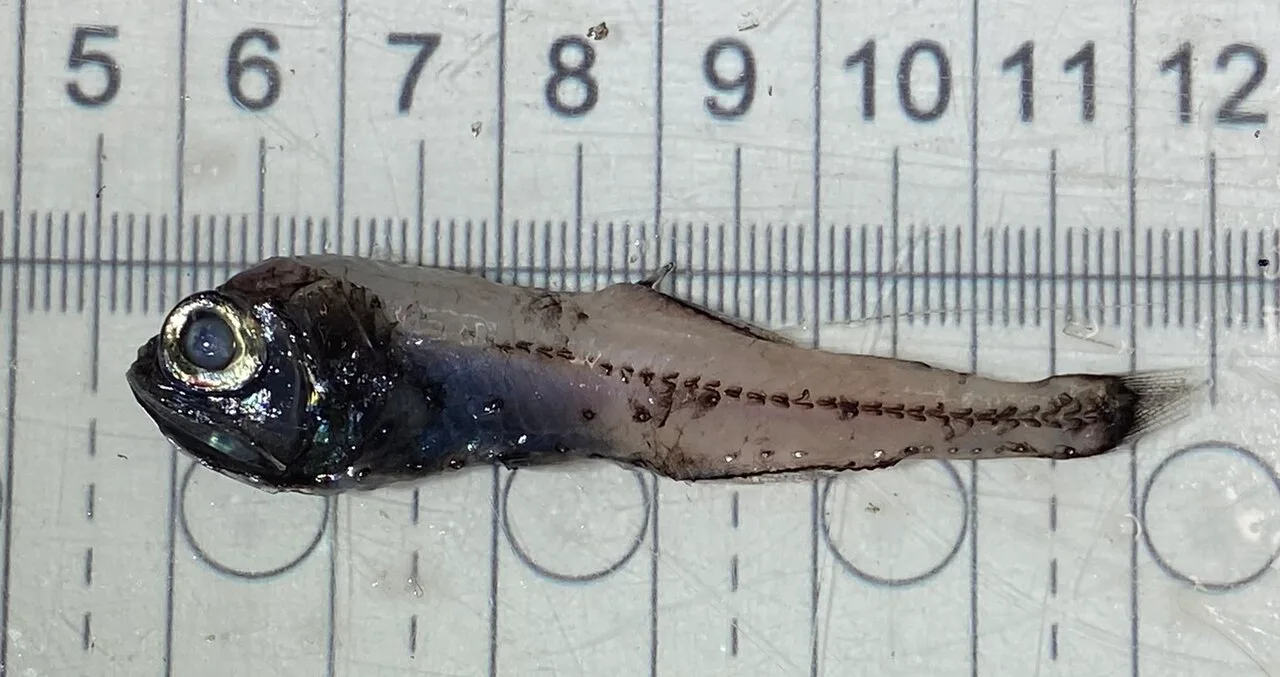
Climate models point to a sharp loss of living space for deep-sea animals in the Gulf, and their genes already carry warning signs. That combination undercuts the idea that the deep ocean keeps its wildlife safe.
Habitat that may shrink by up to 70%
The researchers modelled how suitable the Gulf's deep-sea habitats could be in 2050 and in 2100. For four of the five species studied, the suitable area could shrink significantly, by as much as 70%.
Lead author Pedro A. Peres called the result especially worrying. Deep-sea animals have traditionally been assumed to live in large, resilient populations spread over broad habitats.
"This challenges the idea that deep-sea species are naturally more resilient because they occupy such vast environments," Peres said.
What the DNA shows
All five species carried genetic signs tied to a higher risk of extinction, Peres said. One lanternfish, Diaphus dumerilii, lost about 8% of its genetic diversity across 12 years. The study puts that on a par with, or above, losses seen in some threatened and endangered animals, where the decline took far longer.
Each species also had a relatively small effective population size. The term counts only the individuals who pass genes to the next generation, so it can be low even when many animals are alive.
Co-author Heather Bracken-Grissom explained the stakes. "Genetic diversity provides the variation populations need to adapt to changing conditions, resist disease and recover from environmental disturbances," she said.
Twelve years of samples
The work comes from Florida International University and appears in Nature Communications. Peres works in the Bracken-Grissom Lab. The team examined three lanternfish species and two deep-sea shrimp species that live hundreds of metres below the Gulf's surface.
Specimens were collected between 2011 and 2023, and the researchers analysed genetic information from 486 of them. Peres said few studies have followed how the DNA of deep-sea animals changes over time. Keith Sellers of FIU and Tracey T. Sutton of Nova Southeastern University are also co-authors.
A spill that may not be the whole story
The results raise questions about the lasting effects of the 2010 Deepwater Horizon oil spill. Earlier studies recorded substantial drops in deep-sea animal numbers after the disaster. The authors do not directly blame the spill for the genetic changes.
Peres said some populations may already have been genetically vulnerable before the spill, so events like it may hit groups with little resilience left. The findings suggest that disturbances can leave consequences that last long after the immediate damage.
The team argues that genetic monitoring can expose conservation threats that traditional population surveys might miss.
Source: Phys.org