Aviva Reports Rise in Subsidence Claims After Hot Summer
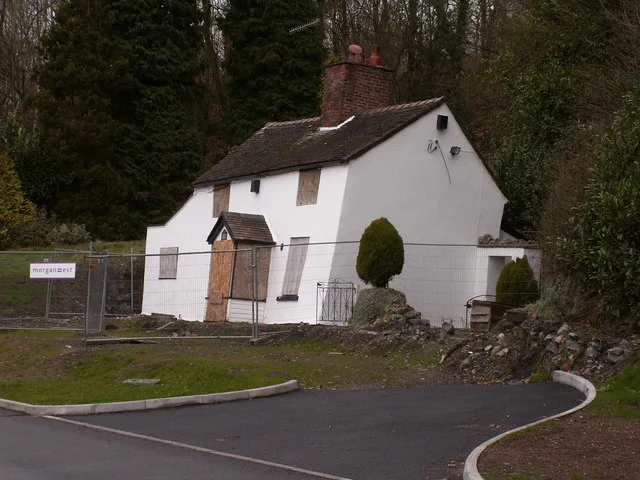
Cracked walls and sticking doors are becoming a bigger bill for home insurers. Aviva, the UK's largest insurer, said on Friday it had seen a rise in subsidence claims after an extremely hot summer.
A peak from July to October
The jump is part of an industry-wide rise in households asking insurers to pay for repairs. Typical damage includes cracks, sloping floors and doors and windows that no longer sit square.
Aviva chief executive Amanda Blanc told Bloomberg that claims peaked over the summer, from July to September, and kept coming in October. Aviva would not give any figure for the size of the increase.
Other insurers see the same pattern
Hastings Direct said August brought record subsidence claims, up 140% on a year earlier. Axa, one of the UK's biggest home insurers, has described this as an exceptionally heavy year for subsidence.
The cost per claim is rising too. The Association of British Insurers puts the average subsidence claim at a high of £20,000 between April and June, more than £2,000 above the year before. Insurers paid out £72m on domestic subsidence claims in that period, against £60m in the same quarter of last year.
Where the risk sits
The rise follows two record hot summers in the UK. August this year was joint hottest month ever recorded around the world.
By 2070, the British Geological Survey says, as many as 11% of UK homes, over 4.2m houses, could face the risk. Houses with shallow foundations, especially older ones, and homes on clay-rich ground are the most exposed. London, Essex, Kent and the area around Oxford are among the most vulnerable.
Advice from Aviva, and its own results
Blanc said homeowners can lower the risk by checking drains, pipes and gutters and repairing leaks that might reach the soil beneath the house. "It's about managing trees and plumbing," she said.
Aviva reported a 19% rise in general insurance premiums to £11.8bn in the third quarter. Blanc said in a statement that its performance over the first nine months of 2026 had been excellent.
Source: the Guardian