ITV Plans £30m of Temporary Savings as Ad Sales Fall
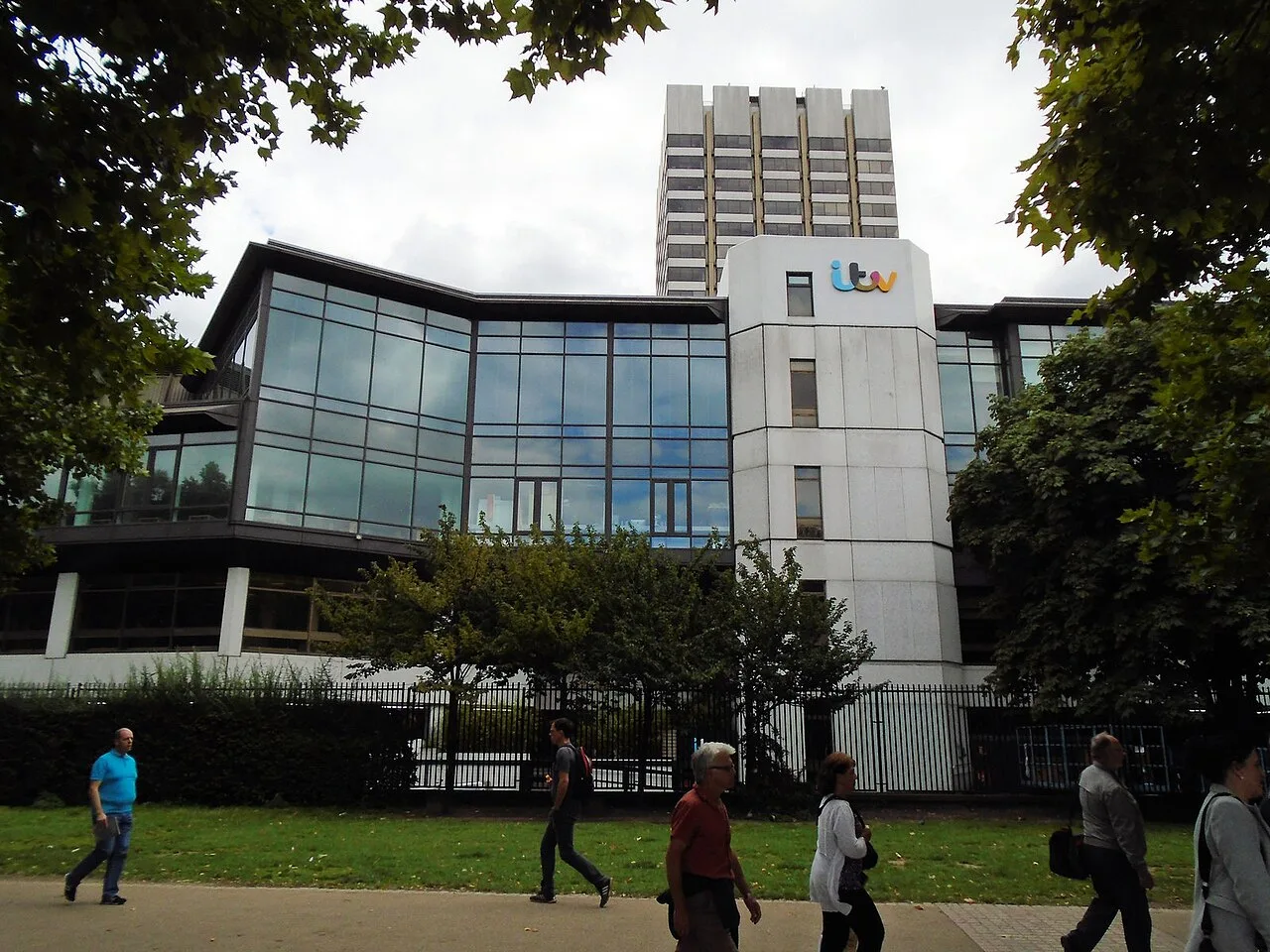
ITV is tightening its belt at the exact moment the wider UK screen industry looks shaky. The broadcaster says it will find £30m of "temporary" savings, and new film and TV spending figures point the same way.
Where the £30m comes from
Of the £30m, £25m will come from content and £5m from elsewhere in the business. ITV indicated that the plan would not involve staff cuts.
It is understood that the programming cuts will mostly hit small external commissions, which would be pushed into 2027.
Advertising is the pressure point
ITV expects advertising revenue to fall by 5% to 10% in the final quarter, normally a busy stretch because of Christmas. For the full year it expects a drop of 2% to 3%.
Chief executive Carolyn McCall pointed to "continuing broader macroeconomic uncertainty" and "increased digital advertising on global streaming platforms". She also named this year's new 9pm watershed on adverts for less healthy food.
Shares in the company fell by almost 4% on Wednesday. They have lost about a fifth of their value since January.
A sale under investigation
ITV has agreed to sell its TV and streaming business to Sky for £1.6bn. McCall has called the deal ITV's route to survival.
Last week, culture secretary Lisa Nandy formally stepped in on public interest grounds. That triggered an investigation by Ofcom and the Competition and Markets Authority. One worry is audience share: together the two would hold roughly 86% of the audience for linear news and current affairs in Britain. Another is possible US political influence on editorial independence, since Sky is owned by Comcast.
ITV says the deal is "progressing as planned" and should close in the second half of 2027. The studios arm stays with ITV. Its revenue slipped 1% in the first nine months, yet it made five of the UK's ten most-watched dramas in the third quarter.
Film and high-end TV take a hit
Figures from the British Film Institute show that spending on films and high-end TV, meaning shows costing at least £1m an episode, was £5.2bn over the twelve months to September. That is £2.08bn, or 40%, lower than the £7.26bn of a year earlier, when 2025 set a record.
The BFI says the numbers reflect a complex picture. It lists shifts in the global industry and stronger competition from other countries, set against a strong 2025.
The figures are only "first reported". The BFI usually revises such numbers upward, and it raised the final 2025 total by £900m.
Source: the Guardian