650 More Offenders Start Leaving Jail in Third Early Release Phase
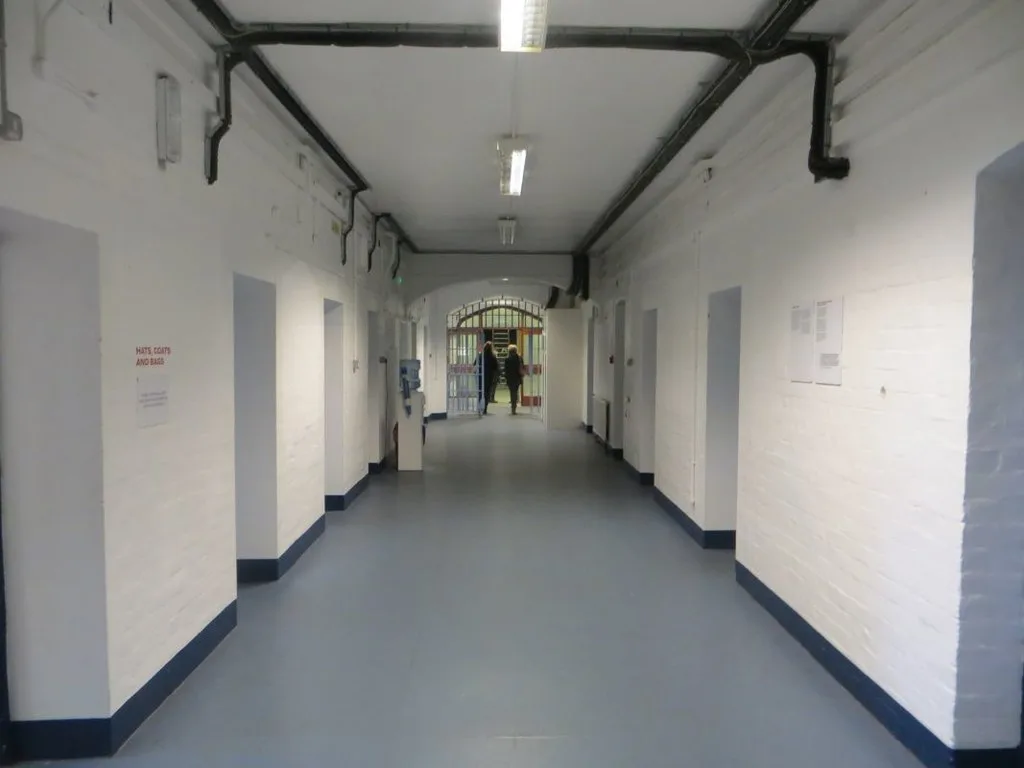
Around 650 more offenders began leaving prisons in England and Wales on Tuesday, the third stage of the government's early release scheme. Those with shorter sentences now walk out after a third of the term, not half.
Who is being released
It covers offenders with sentences of up to three years and two months. Under the new rules they can be freed after at most a third of the term, not half. Convictions among them include affray, burglary and fraud. Some violent offenders, such as those convicted of wounding, grievous bodily harm with intent or lower-end firearms offences, could also go.
More than 70 offences are exempt, including manslaughter, rape, sexual and grooming offences, and anyone on a life term.
Since 1 October, at least 1,350 people have been released early in the first two waves. Officials project at least 2,500 will be out by the end of the year. The releases continue in batches for increasingly long sentences, ending next June with those serving more than 12 years.
Effect on prison numbers
Monday's weekly data put the prison population at 86,982, with spare places for another 2,076 people. That gap is 500 cells wider than on the eve of the scheme in October. The figures suggest the scheme is easing overcrowding, though only for now.
Supervision and recalls
Those released are typically electronically tagged and monitored for the second third of their sentence. Probation officers are responsible for trying to make sure they attend courses and comply with their licence, whose terms can bar them from certain areas or from contacting victims.
The government has not yet published recall rates for this scheme. The latest statistics show 12,338 offenders were recalled to prison for breaking their licence terms in the April to June quarter, 12% more than a year earlier but fewer than in the first quarter of the year. Rehabilitation experts say recalls are more often tied to missed appointments or not living at a set address, and about a fifth follow a new offence.
Refuge, which supports survivors of domestic abuse, told the BBC last month that abusers were among those being freed. Conservative leader Kemi Badenoch has criticised the scheme.
Probation staff and pay
Napo, the probation union, says the releases have put enormous strain on members. They have been balloted on possible strike action over pay and conditions, and the result is expected on Friday. The Ministry of Justice offered a 5% rise against a 12% demand, and says the offer is fair, accepted by two other unions and paired with £700m of investment to recruit 1,300 extra officers and bring in AI tools.
The Conservatives ran their own early release programme, which freed more than 10,000 prisoners between October 2023 and September 2024.
Source: BBC News