Royal Navy Backs £90m Underwater Watch Over the North Atlantic
Britain is putting £90m into a network of uncrewed underwater systems meant to track Russian submarines and protect subsea cables, energy networks and shipping routes. It is the first operational phase of a Royal Navy plan called Atlantic Bastion.
What Atlantic Net is
The Ministry of Defence announced the money on Tuesday at the International Sea Power Conference in Oslo. Atlantic Bastion is meant to run autonomous systems alongside crewed warships and submarines. The target is better underwater surveillance and protection for communications cables, energy networks and shipping routes.
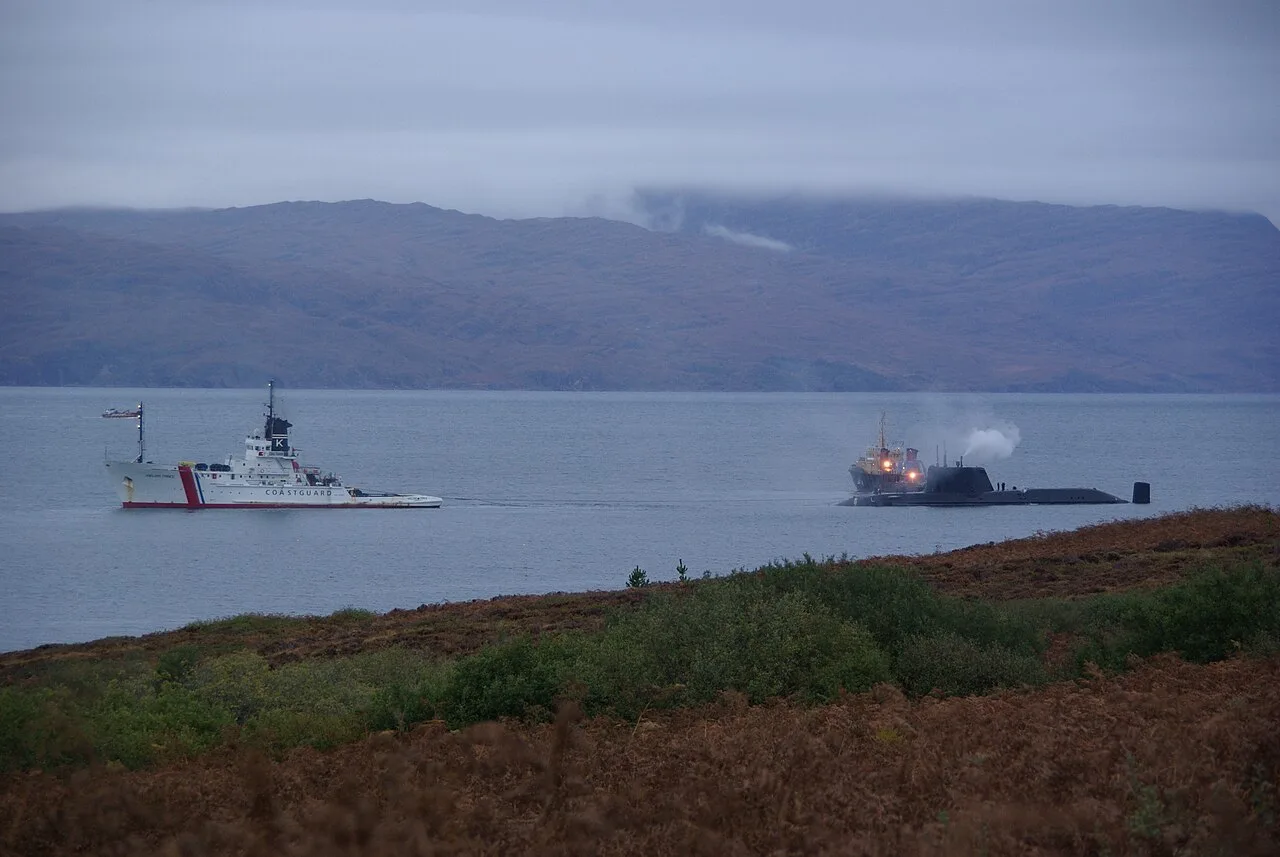
The idea is to join underwater sensors, uncrewed vehicles, data links and AI analysis into a single picture of potentially hostile submarine activity. That picture would go to Royal Navy warships and Astute-class attack submarines, giving them earlier warning and a better view of what lies below the surface.
Defence Minister Luke Pollard said the programme is expected to be operational in 2027.
Ocean Infinity's role
The government signed a framework agreement with the UK-based marine robotics company Ocean Infinity Solutions. Ocean Infinity will act as the Royal Navy's commercial mission partner. It will take part in building and operating the uncrewed and remote-controlled systems that are meant to watch the North Atlantic continuously.
Ocean Infinity says it will tie the hardware and the data side into one surveillance capability, spanning platforms, sensors, communications and remote operation. The Royal Navy keeps direction of the result. The MoD expects the £90m framework to support nearly 200 skilled jobs at Ocean Infinity and in its immediate supply chain.
Pollard said: "This investment gives the Royal Navy new technology to find threats earlier and protect our critical infrastructure, while also backing British business."
Joe Robinson, president of solutions at Ocean Infinity, said the Royal Navy has been exploring a shift from heavily crewed fleets to a mix of robotic and lean-crewed platforms. In his words, "Atlantic Net is that idea coming to life."
The wider worry
Undersea cables and energy links carry civilian economies and military operations alike, and European governments and NATO allies increasingly worry about protecting them.
Atlantic Bastion is also meant to support the protection of Britain's nuclear deterrent. The programme will work with NATO and Joint Expeditionary Force allies, with the aim of widening and sustaining surveillance across the North Atlantic. The programme also fits a wider British move to a hybrid fleet, where autonomous systems work with traditional warships and submarines.
Source: gCaptain