UK Ready to Pay Up to £450m a Year for Cheaper EU Student Fees
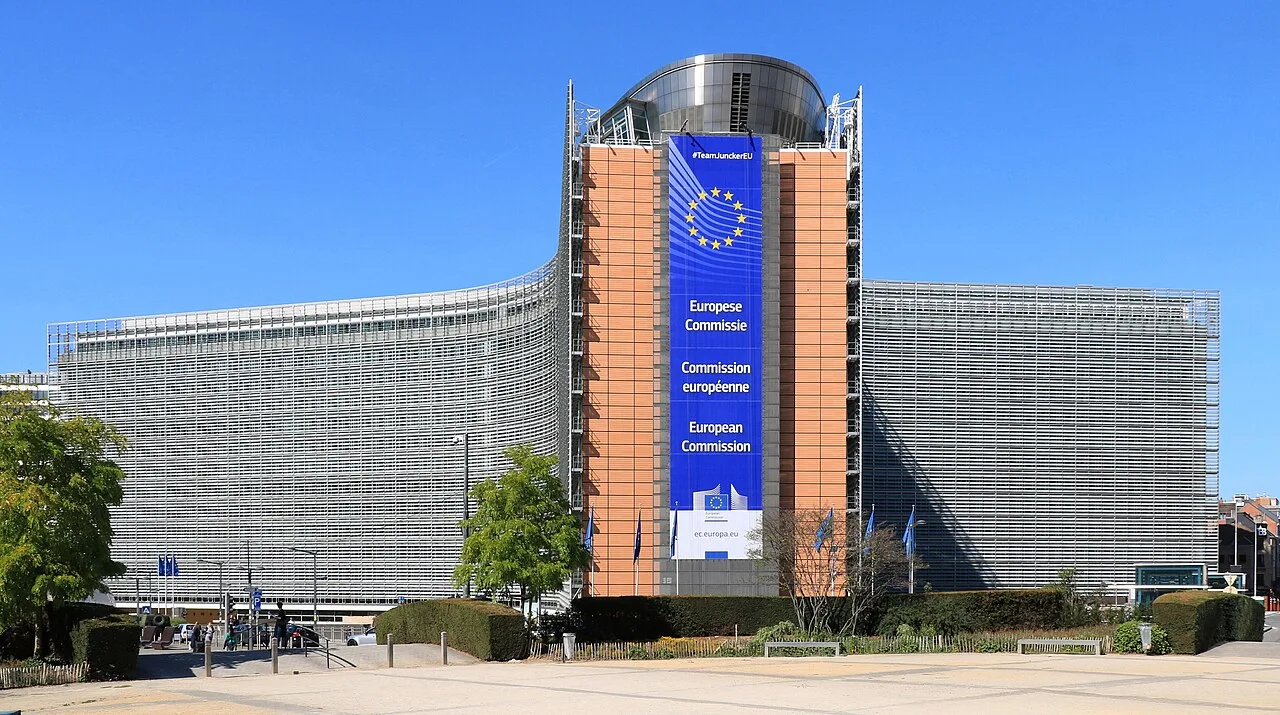
Students from the EU could pay the same university fees as British students. Sources say the UK would agree only in exchange for access to the EU’s Made in Europe programme, and the government could spend hundreds of millions of pounds a year compensating universities.
The government is willing to put up to £450m a year into discounted fees for EU students. That is the figure two sources who have seen government costings gave, and it comes with a condition. Made in Europe is the EU's proposed industrial programme.
Fees for market access
The UK has drawn up plans to charge arriving EU students the same fees as British ones and to compensate universities for the lost income. Officials insist this is a trade. Made in Europe would impose restrictions on countries outside the bloc, and the UK wants its companies treated the same as EU ones.
One person with knowledge of the talks said: "We are willing to give the Europeans what they want on fees, but we will have to get something significant in return."
The UK was left out of the definition of "European" for the purposes of the scheme. That drew warnings from the British government and the UK car industry.
How big is the number?
The £450m figure belongs to the most expensive scenario Treasury officials have modelled. It assumes fees cut to the domestic level and very high demand for places at British universities. Officials have run other scenarios too, with smaller discounts and weaker demand.
Another source said the true cost was likely to be lower. A government official called the figure "speculative".
The analyst Mark Corver, of Campus Numerics, earlier calculated a cost to the sector of £140m in the first year and £400m across the three years of a typical course.
What the EU wants
EU officials want their students to pay just over £9,000 a year. International fees can rise above £60,000. The demand briefly stopped negotiations this year, as British officials said they had been blindsided by it.
On fees, member states want firm wording. On Made in Europe, the UK wants guarantees before it gives way. Ten days ago, with talks deadlocked, the EU discussed separating fees from the joint statement and putting off any deal for six months.
The wider package
Negotiators are working towards a summit on 20 November. The first draft of a joint statement goes to EU ambassadors on Wednesday, and text can be added or deleted until the summit.
Three areas are understood to be largely settled: emissions trading, farm products and youth mobility. Reports put the youth mobility quota at up to 80,000 young Europeans. EU states had demanded between 100,000 and 150,000.
France, the main opponent of British inclusion in Made in Europe, has shifted. It now proposes that British manufacturers can join if the UK accepts "dynamic alignment" on EU tariffs. That could be awkward, because UK tariffs on Chinese electric vehicles are much lower than the EU's. Business secretary Jonathan Reynolds recently said he would not set tariff policy under pressure from Brussels.
The fee concession could also prove controversial at home, since many graduates are calling for changes to their own student loan repayment plans.
Our view
The fee question now sits next to the tariff question. If London accepts dynamic alignment to win access to Made in Europe, the student-fee concession may be the smaller part of the bargain. How the £450m ceiling holds up depends on the Treasury scenarios, which two sources have described.
The reported sources do not say how long compensation to universities would be paid or who would set the rate.
Source: the Guardian