2.3m UK Households Face Higher Mortgage Bills in 2027
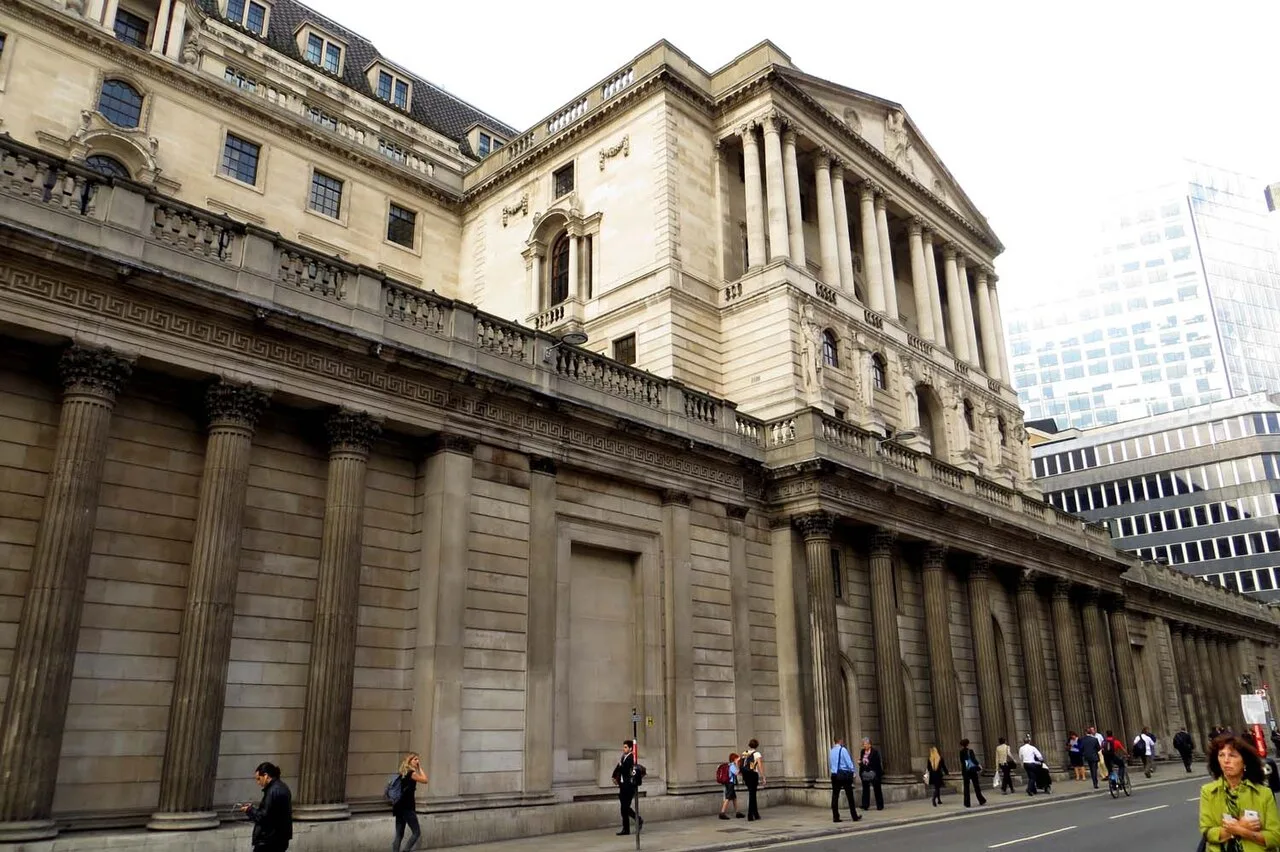
More than 2.3 million UK households come off fixed-rate mortgage deals in 2027, just as the Bank of England is expected to start raising interest rates. The timing means many will refinance at a higher cost.
Budgets already stretched
The Office for Budget Responsibility (OBR) published new forecasts with the budget. It expects household disposable incomes to fall by 0.6% next year once inflation is counted. In March it had forecast a 0.6% rise. Its David Miles described the outlook as "a pretty grim picture".
The energy price shock is part of the squeeze. The OBR said it would push consumer inflation to 3.5% this year, well above the 2% forecast in March. EDF's latest forecast expects Ofgem's energy price cap, which sets household bills, to rise by more than £400 in January.
Chancellor John Healey built his budget around a £100 payout to 20 million households. The package also cancelled fuel duty rises planned by Rachel Reeves and extended a VAT cut on electricity bills. Tax rises on banks, savers and landlords pay for it.
Mortgages are repricing before the decision
The base rate has stood still since December last year. Fixed-rate prices have moved anyway. Swap rates, which set the price of fixed deals, have climbed on turbulence in bond markets. Fears of inflation from the Middle East war and dearer energy fed that turbulence. A Bank rise may lift them further.
Buyers have noticed. Mortgage approvals dropped to a near three-year low in September, as higher borrowing costs put off potential purchasers.
UK Finance, the banking industry body, counts 2.3 million households whose fixed rates end next year. Another 700,000 borrowers were forecast to move to new rates between July and December this year.
A central bank that held back
Since the Iran war began, the Bank has watched and waited on inflation. The US Federal Reserve, the Bank of Japan and the European Central Bank have already raised borrowing costs this year. Before the war, the expectation was for several UK rate cuts in 2026. A long stretch of historically high oil prices, with the strait of Hormuz closed, has pushed inflation up instead.
Governor Andrew Bailey has made clear that the monetary policy committee is checking whether higher prices are reaching workers' pay. Such wage pass-through is known as "second-round effects" and can let inflation become embedded.
The economy was the joint fastest-growing in the G7 in the first half of 2026, which the Office for National Statistics said was partly driven by AI-related sectors. Official forecasts for next year have nonetheless been cut sharply over fears that energy costs will weigh on growth.
What is expected on 5 November
The nine-member committee is widely expected to lift the base rate from 3.75% to 4%. Inflation rose further to 3.5% in September. Markets are pricing in four rises by next July, but many City economists expect only two.
The Bank will publish updated growth and inflation forecasts with the decision.
Our view
For households remortgaging in 2027, the first rise matters less than the number that follows it, and the gap between two and four is wide. Bailey has said the committee is watching whether prices are feeding into wages, and the Bank's new forecasts may show how it reads that risk.
Source: the Guardian