Tyne Nurdle Spill: Just 28% Recovered, Impact Unclear
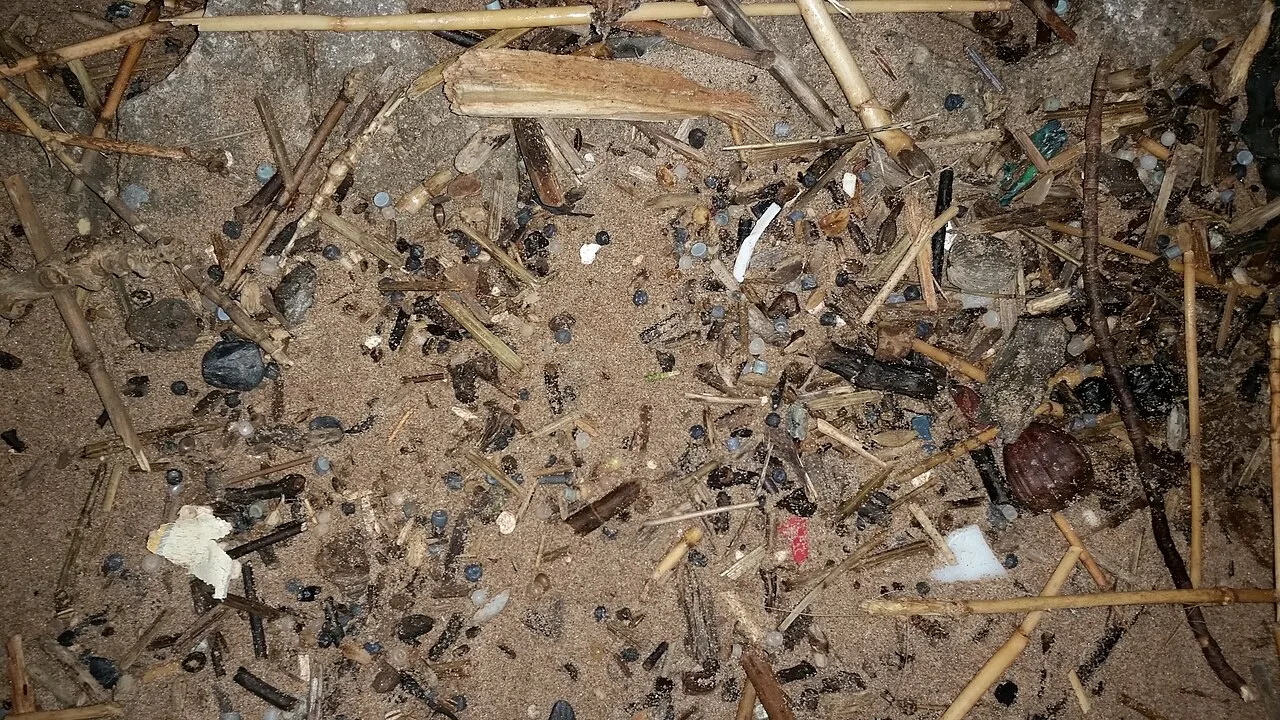
About 18 tonnes of plastic pellets, roughly one billion of them, spilled into the River Tyne on 19 July after two vessels collided at the Port of Tyne. It is believed to be the worst recorded incident of its type in Europe, and several questions about it are still unanswered.
The BG Orange was one of the ships involved. A gantry crane on the quayside collapsed and ended up lying across the ship. Two of the containers on board were full of nurdles, the lentil-sized pellets used as raw material for nearly all everyday plastic goods. Northumbria Police is investigating the collision and nobody has been arrested. The Marine Accident Investigation Branch is also investigating.
How much has been recovered
By the end of September scientists put the recovered share at about 28%. The Port of Tyne, the Environment Agency and the North East Mayoral Strategic Authority say the number of pellets washing ashore had "reduced significantly" by then and was still falling. They believe full recovery of the 18 tonnes is not achievable. Asked what rate would count as a success, they said they would judge it by several measures, including shoreline surveys.
Pellets have been found along the English coast from Northumberland to North Yorkshire. On Friday the Danish Environment Protection Agency confirmed that pellets on its western coast had also probably come from the Tyne spill.
Where they may go next
Dr Matthew Perks of Newcastle University and colleagues are tracking the pellets and studying how they might deteriorate in water. Their modelling suggests about one in eight of the billion nurdles are still in the Tyne estuary, and high river flows this autumn could flush them downstream. Perks called that a crucial chance to collect them, but said it was unclear how far some could travel. "As time goes by, it becomes more difficult to pinpoint the areas where these nodules are likely to be," he said. It is also unknown when the pellets will start breaking down into nanoplastics, which would change how they behave.
Professor Bhavani Narayanaswamy of the Scottish Association for Marine Science said it could be months or years before the full impact is understood. She said nurdles could harm wildlife by getting stuck in digestive tracts or by absorbing chemicals that may then be toxic when swallowed. There is little research, she said, on the long-term effects of plastic pollution on animals.
Dan Turner, who coordinates the North East England Beached Bird Survey, said the group had collected several dead birds that would be tested for nurdles next month. He has previously said it is "quite possible that the seabirds have mistaken the plastic for fish eggs".
Who pays
Insurers representing BG Orange are paying for much of the recovery, along with local councils and the Port of Tyne. Thousands of volunteers have also taken part. The port and the local authorities have been told to record their costs so they can seek compensation from the insurers of whoever is ultimately found responsible.
The multi-agency group says the programme is moving away from large-scale clean-up towards targeted recovery and monitoring. The charity Fidra says it is unclear how long the clean-up must continue, as nurdles can stay in water for years, and wants a long-term plan that is adequately resourced with clear responsibilities. Volunteer Lou Shackleton said a core group still monitors a local beach and needs all the help it can get.
Source: BBC News