Tories Would End Child DLA for 'Milder' ADHD Cases
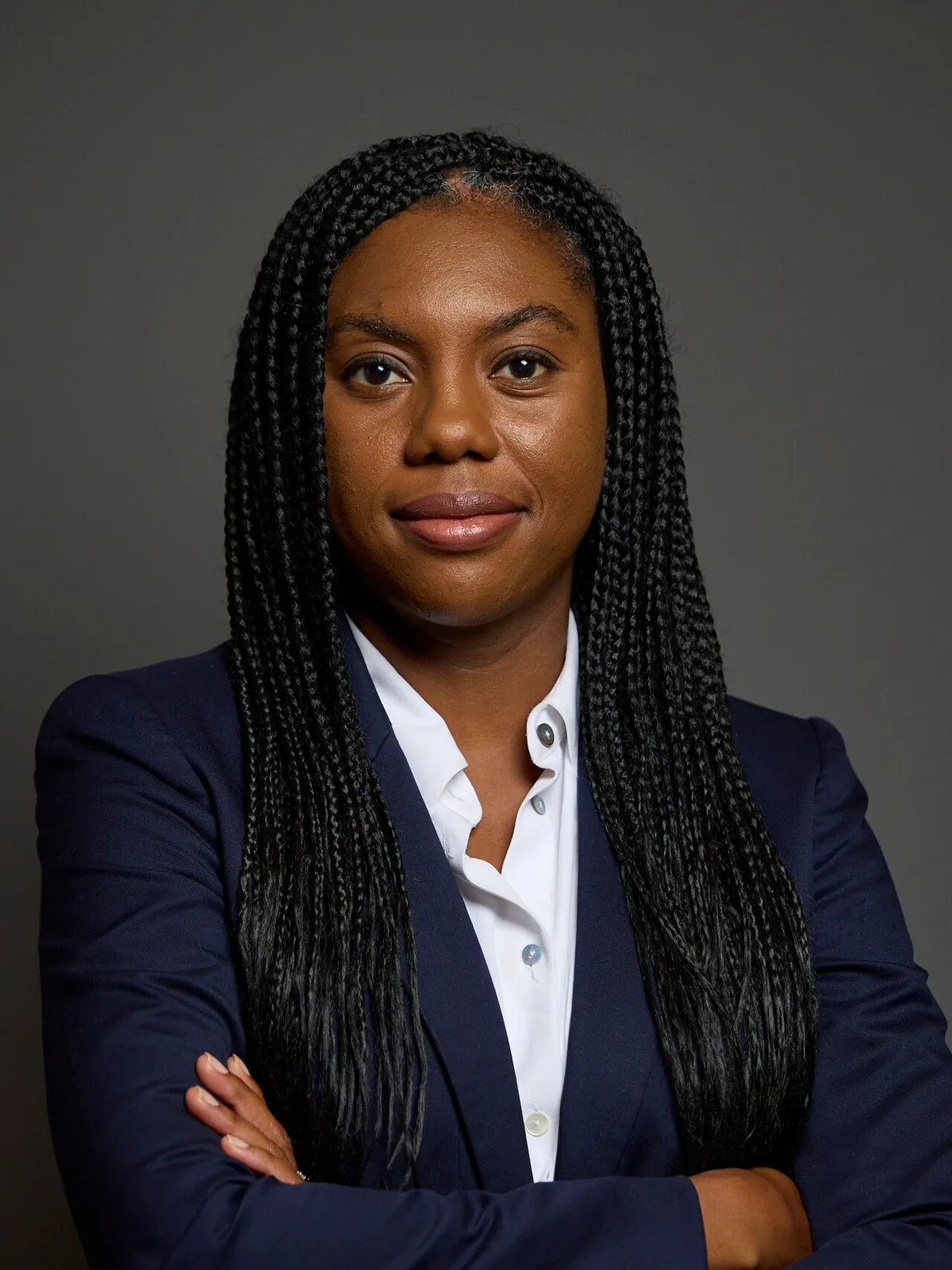
The Tories say stopping child Disability Living Allowance for "milder cases" of ADHD, learning difficulties or behavioural disorders would save £2.8bn a year. The families concerned would lose the cash.
Who would lose the payments
Disability Living Allowance (DLA) for children lets parents claim between £30.30 and £194.60 a week towards the extra costs of raising a disabled child. A child qualifies if they have difficulty getting about, or need more looking after than a non-disabled child of that age.
Under the Tory plan, claims based on a behavioural disorder, learning difficulty or ADHD would be paid only to those with the highest need. The party says the most severe cases, around 30% of the total, would keep the money. The remaining 70% would lose it.
The rules would cover new claims and reassessments. People with physical disabilities would be exempt.
What the party offers instead
Families who lose the payment would be directed to mental health services and family hubs. The Conservatives have said they will invest £1bn in that support.
The case the party makes
The Conservatives call child DLA the fastest growing benefit in the welfare system. They cite government statistics showing cases rising from 521,476 in 2020 to 914,000.
Helen Whately, the shadow work and pensions secretary, said the system risked putting children on a "conveyor belt" towards a lifetime on benefits.
Party leader Kemi Badenoch argued that people can contribute even when they face serious challenges. "People with autism run some of the biggest tech companies in the world," she said.
A wider package of welfare cuts
The £2.8bn is one piece of a plan the party says will save £36bn from the welfare budget. Earlier announcements included £13.7bn from changes to sickness and disability benefits, which would restrict payments for people with milder mental health issues and neurodiversity conditions.
The party also counts £9.5bn from making it harder for foreign nationals to claim, £4.5bn from lower local housing allowance payments and £3.1bn from bringing back the two-child benefit cap.
Labour, campaigners and the pending reviews
Labour said the plan would push people into hardship and end up costing the state more. The Child Poverty Action Group said it would cause the biggest overnight increase in child poverty since records began.
Labour's government says it wants the benefits bill lower but has given no timetable for reductions. Alan Milburn's review of young people not in education, employment or training and the disability benefits review co-chaired by minister Sir Stephen Timms are both due in November. More detail on Labour's plans is expected after Milburn's review appears.
Asked about Milburn's review, Whately accused him of preparing the ground for more welfare spending. She said savings can certainly be made from welfare and that Labour does not want to make them.
Source: BBC News