Shop Price Inflation Hits 2.1%, Highest in Two and a Half Years
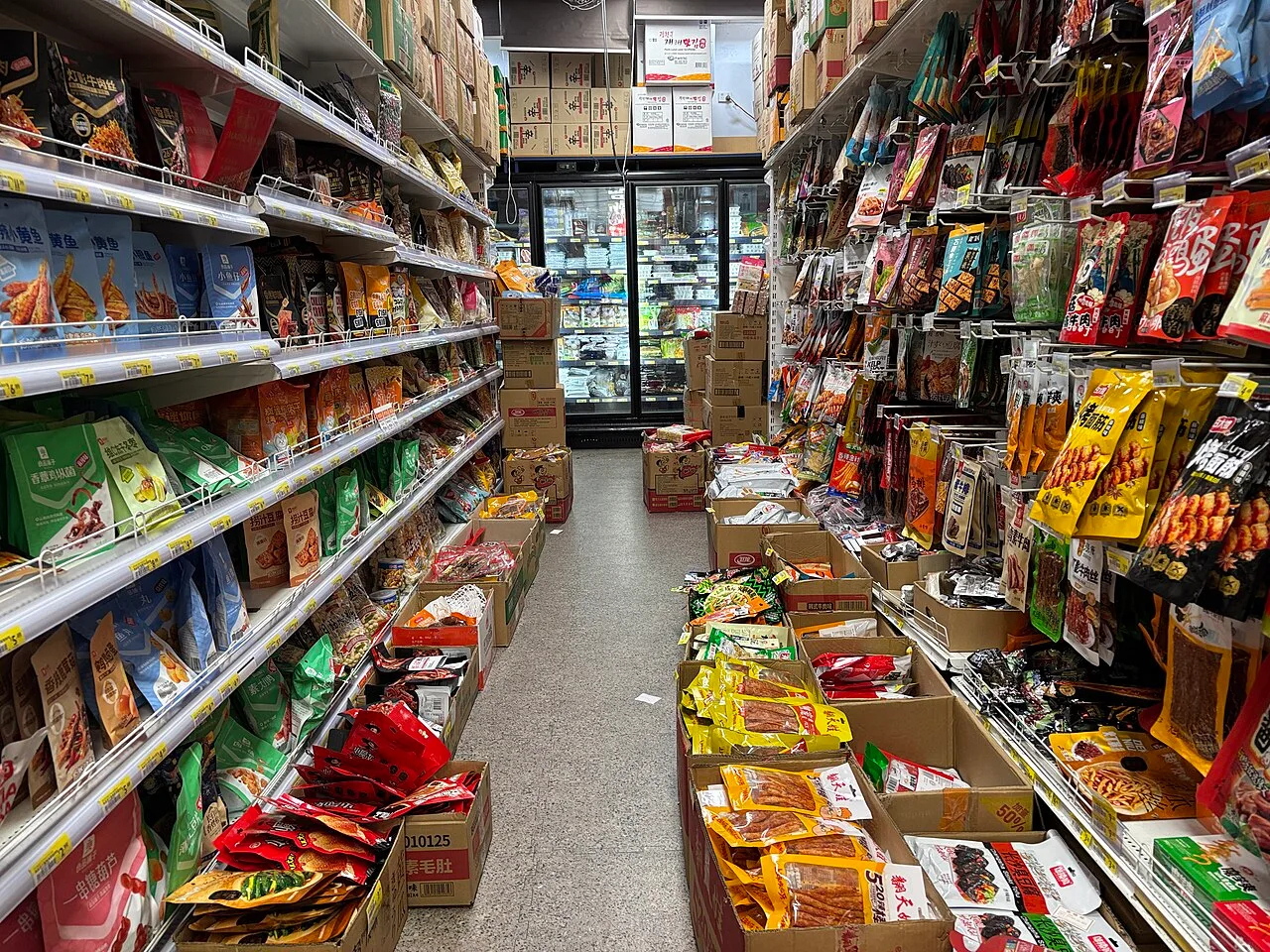
Shop price inflation in the UK rose to 2.1% a year in October, up from 1.4% in September. The British Retail Consortium (BRC) says that is the highest level in two and a half years.
Helen Dickinson, the BRC's chief executive, said: "The dam is starting to break on the huge wave of costs retailers have absorbed over the last two years." The trade body believes shops are starting to pass on higher energy and food ingredient costs that have built up since the conflict in the Middle East began.
Food and non-food both climb
Food inflation had stayed low for much of the past year. In October it reached 2.9% year on year, against 2.5% in September.
Non-food inflation, which covers items such as clothing and footwear, more than doubled, from 0.8% to 1.7%.
Until this month, retailers had largely absorbed the higher costs of raw materials. This was mainly because of weak demand from customers. In surveys, consumer confidence has declined sharply since the summer, when it became clearer that the conflict was unlikely to end swiftly.
Brent crude oil reached $117 a barrel in recent days. Before the US and Israel attacked Iran in February, the average was $70. Gas prices have also risen sharply, and the consumer prices index stood at 3.5% last month.
Dickinson said that while shops were discounting heavily to attract customers ahead of Halloween, supermarkets could no longer stop the prices of tins and packets from rising.
Pressure on the Budget and the Bank
The figures arrive ahead of the first budget of the chancellor, John Healey, on Wednesday. His own backbenchers are expected to press him over the high cost of living.
Bank of England officials are expected to raise interest rates next week, from 3.75% to 4%. If retail prices keep rising, many of the nine members of the monetary policy committee are likely to support a further increase in December or early next year.
A separate report from Ruth Patrick, a professor of social and public policy at the University of Glasgow, looks at how families on low incomes are coping. She leads Changing Realities, an online project tracking 100 low-income families, and the report draws on in-depth interviews with 70 of them. In the last month, 73% of participants had shopped in the reduced-items aisle, 62% had changed the food they buy and 63% had left the heating off even when cold.
Patrick said petrol above £1.75 a litre in many places, and diesel often above £2, can mean that work does not pay. She called for long-term steps to secure the adequacy of social security, including restoring the real value of child benefit.
Source: The Guardian