Shell Profit Doubles to $10.8bn as Oil Prices Climb
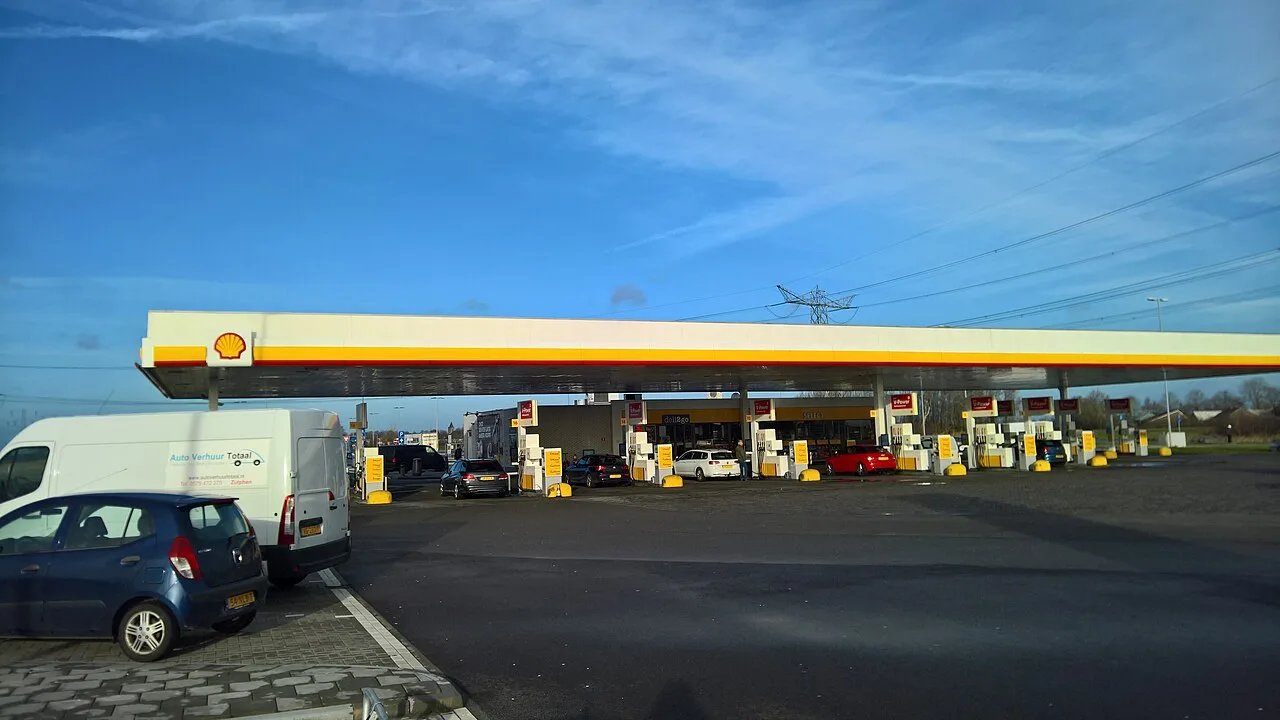
Shell has doubled its quarterly profit as the Middle East conflict pushed up oil and gas prices and left the global market short of supply. The company reported an adjusted profit of $10.8bn (£8.1bn) for July to September, against $5.432bn in the same quarter of 2025. Analysts had expected $10.33bn.
Shell also raised its share buyback. It plans to return $5bn to investors over the next three months, up from $3bn in the previous quarter. Its shares rose 3% in early trading on Thursday.
Chief executive Wael Sawan credited "operational performance" for what he called very strong results in a quarter of "continued severe disruption to the global energy system".
Refining margins
Earlier this month Shell told investors to expect refinery margins of $42 for each barrel of fuel in the quarter. In the second quarter the figure was $24. The previous record for petroleum products, set in the early months of the war in Ukraine, was about $28 a barrel. Severe damage to refineries in the Middle East and Russia has left products scarce.
The profit was also above the $9.836bn Shell made in the second quarter of this year.
Gas has gone the other way. A key gas processing facility in the Gulf was badly damaged, and Shell's output, which stood at 900,000 barrels of oil equivalent a day before the war, has fallen by a third.
Prices have risen steadily. Europe's benchmark gas index averaged almost €64 per megawatt-hour in the third quarter, up from more than €48 in the second. The global oil benchmark averaged $94.90 a barrel, against $69.10 a year earlier. This month oil moved towards $117, the highest in six months, and Shell's share price touched a record of more than £40.
Shell is the largest company on the FTSE 100 and Europe's biggest oil and gas company.
Climate campaigners criticised the profits. Philip Evans, a senior campaigner at Greenpeace, said oil executives such as Sawan were "popping champagne on the deck of a sinking planet" while people pay "with our lives and pay-cheques".
Source: The Guardian