Sadiq Khan Calls for a Cap on London Robotaxis
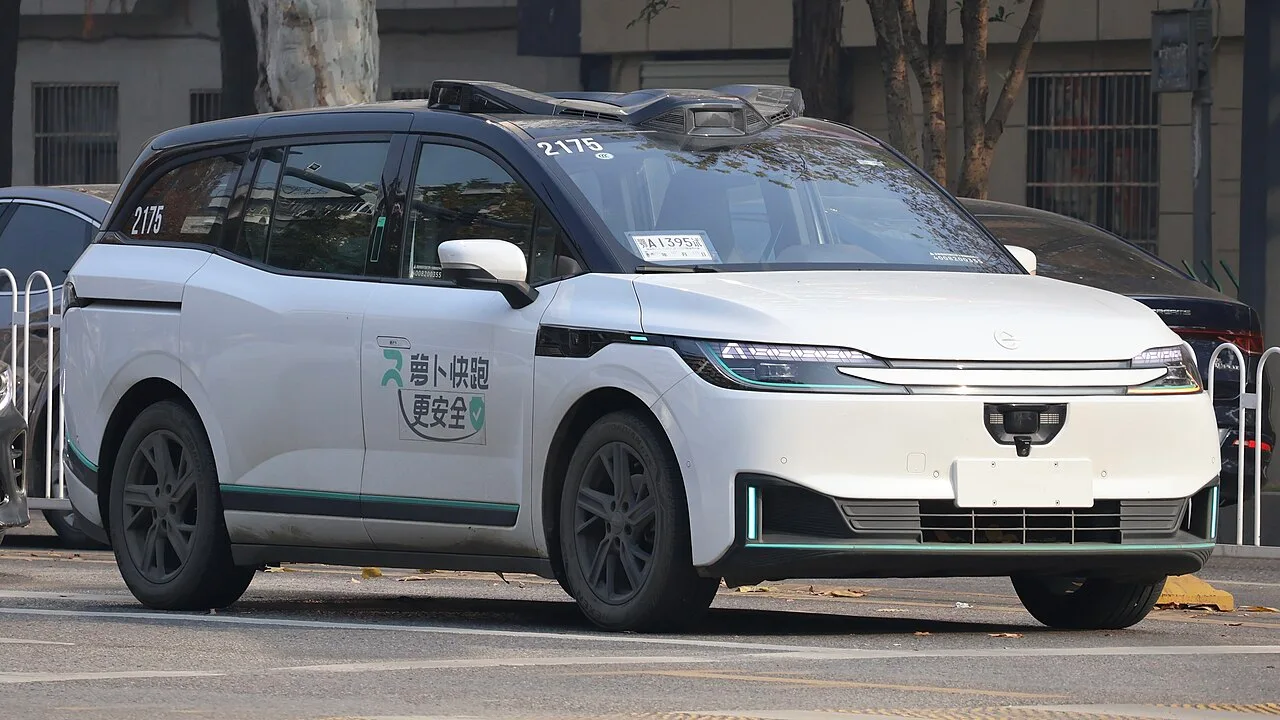
Sadiq Khan wants a limit on how many robotaxis can run in London. The government is close to allowing fully driverless vehicles in the capital, and the mayor questions whether the rules are fit for purpose.
What the mayor is asking for
Khan says politicians have not grasped how fast the technology is moving. He warns that it could threaten jobs and add to congestion, and he questions whether the current rules for autonomous cars fit their purpose.
"London isn't San Francisco," he said. He pointed to a city of almost 10 million people and about 400 villages, with narrow roads.
He asked whether there would be a cap, noting that private hire vehicles and taxis have none at present. He said City Hall has lobbied for powers over those as well.
A gap in Transport for London's powers
For fully autonomous vehicles, Transport for London may approve or block their use in the city, but has no say in how services are run or licensed. Khan said he is lobbying the government to give TfL and London more powers.
His list of unanswered questions covers air quality, congestion, and the livelihoods of private hire and black-taxi drivers. Drivers' unions have recently protested at the London offices of Wayve and Waymo, and many Uber drivers fear for their future.
The companies lining up
Chinese robotaxis now being tested in London were unveiled by Freenow by Lyft, a rival to Uber. About 24 Baidu Apollo Go vehicles are on trial in the borough of Brent. Freenow by Lyft hopes to launch fully driverless Baidu cars from next year at the earliest, using the national licensing scheme.
Uber began limited passenger rides in September in Wayve's self-driving cars, with a safety driver in the front seat, under a TfL licence. Waymo, which runs robotaxis in San Francisco and other US cities, is also focused on London.
Danny O'Gorman, the UK and Ireland general manager of Freenow by Lyft, called the national framework "great news for us to really invest in the market". Regulation once the service is running, he said, is still to be settled.
Many test trips still need a human to step in, and roadworks are a problem. O'Gorman said the company plans a purpose-built depot in the UK and expects many displaced taxi drivers could work there in remote operating and servicing jobs.
Our view
The dispute is over who holds the power. Ministers can open the door nationally, but a cap on vehicle numbers would need new powers for TfL, and it is unclear whether ministers will grant them. Until that is settled, any launch in London proceeds under rules whose fitness for purpose the mayor questions.
Source: The Guardian