Oxfam: Richest Gain Twice Over From Climate Crisis
The world's wealthiest people profit from the causes of climate breakdown and increasingly from its consequences too, according to a study by Oxfam. The group calls this a "double dividend" for the richest 0.1% of the world's population.
That group, about 8 million people, is heavily invested in disaster preparedness, recovery and reconstruction. The market is projected to grow from $70bn to $92bn a year by 2029. Oxfam says this gives the wealthy an incentive to delay or disrupt action on the climate.
Emissions and investments
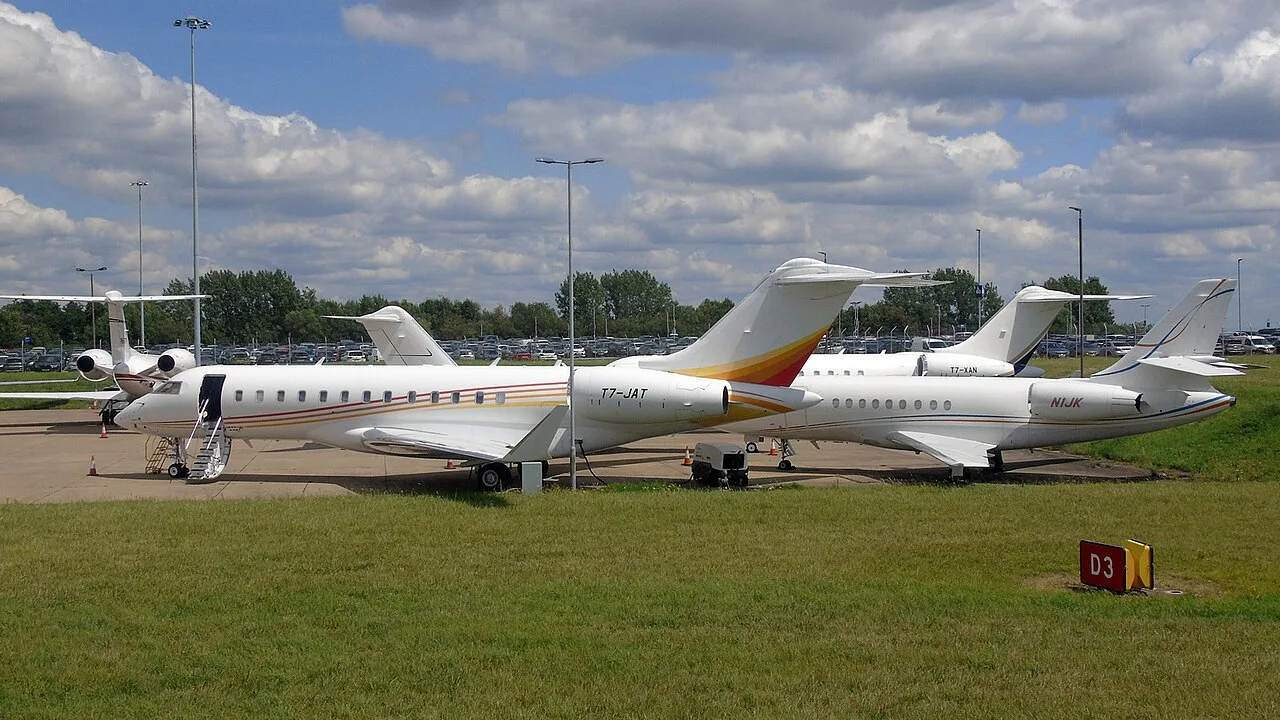
The report says the richest 0.1% are responsible for more carbon emissions than the poorest 3.5 billion people combined, and have reportedly contributed 125 times more than the average person to extreme heat events. Lifestyles play a part: the world's private jets release more CO2 in two seconds than most people emit in a year. The largest impact, though, comes from investments.
Oxfam's new "destroy and rebuild index" names 217 corporations that either fuel climate breakdown or sell goods and services for adapting to it, such as cooling devices, flood barriers, firefighting equipment, insurance and loans. Last year they made an average of $1.8bn each and paid out $1bn in dividends. BlackRock and Vanguard hold shares in 92% of them, worth more than $1tn in total.
Jean McLean, Oxfam's chief influencing officer, said: "The super-rich benefit at both ends of the crisis: first, through continued investment in polluting industries, and second, through investment in the booming 'adaptation economy'."
Food prices and heat deaths
Oxfam says crises caused by extreme weather or war tend to raise the profits of major food trading companies, which are dominated by billionaires whose wealth has risen by $120bn since 2020. It cites a 231% surge in cocoa prices after extreme weather in west Africa in 2024, when local farmers saw none of the gains.
The annual emissions of the richest 1% will cause 1.9m excess deaths from heat, the report estimates. More than three-quarters will be in low- and middle-income countries, which produce only 8% of emissions.
Alex Maitland, one of the lead authors, said the very richest people were not just passive beneficiaries of the climate crisis. "This is deliberate," he said.
Oxfam wants higher taxes on the rich, private jets, and oil, gas and other polluting companies. It also asks the UK government to base its international climate finance on grants rather than loans and to end profiteering from climate disasters. Nafkote Dabi, climate change policy lead at Oxfam International, said: "Control the richest, curb their power, curb their emissions, and also tax their wealth."
Source: The Guardian