Watchdog Faults NHS Grampian Leadership in Scathing Report
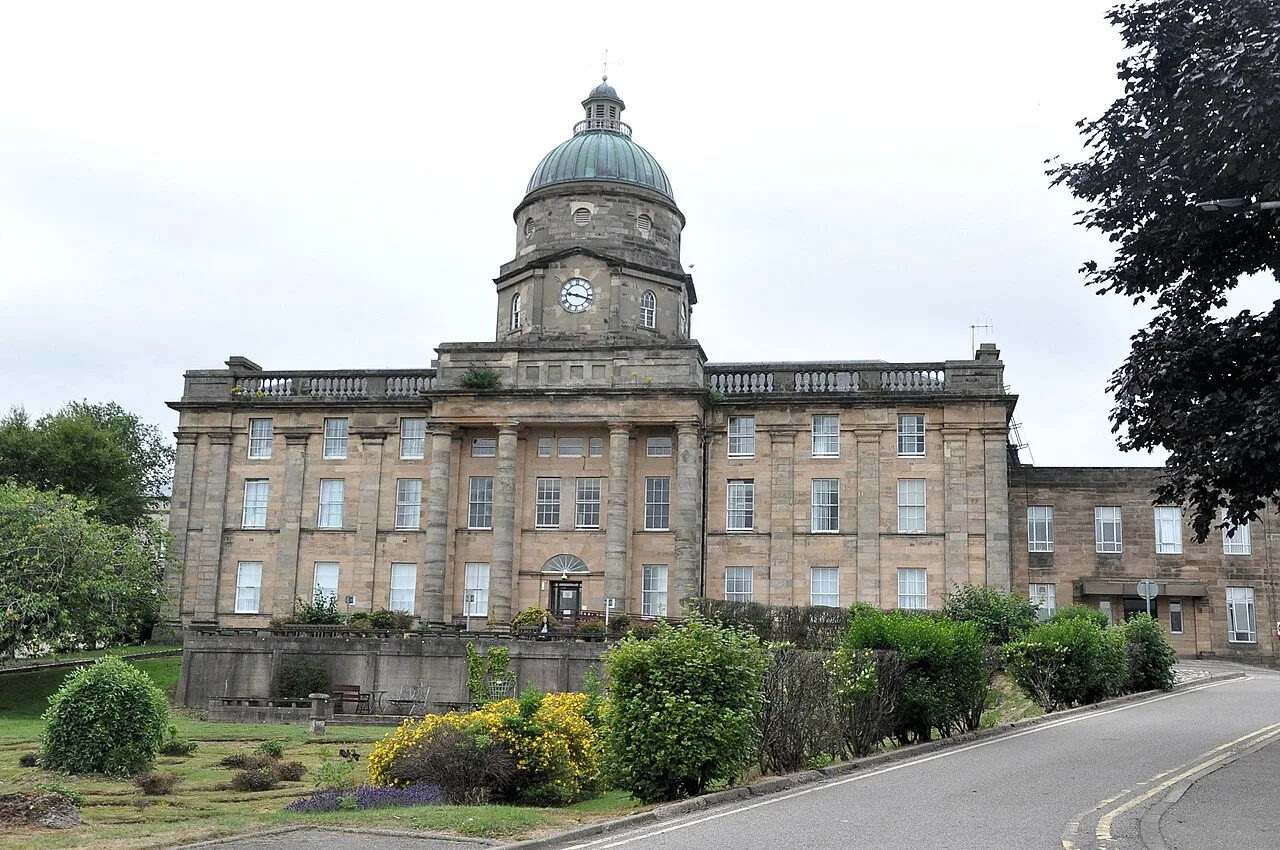
Scotland's healthcare watchdog has called its review of NHS Grampian the most serious it has ever carried out. Health Care Improvement Scotland (HIS) describes a pattern of management failure that goes beyond one person, and the BBC reads the report as backing a view among frontline staff that they carry the can for poor leadership above them.
Constance keeps faith, for now
Health Secretary Angela Constance is standing by chief executive Laura Skaife-Knight. She says Skaife-Knight has operated with candour and owned up to her mistakes. Almost half of the board has changed, Constance says, and a new chairperson is about to arrive. She expects the new board to hold senior executives to account.
The board is already in special measures over its finances. The BBC's analysis is that this makes further escalation inevitable. Constance has promised to update parliament next week on what the government will do next.
Failures that go beyond one person
HIS describes a pattern of management failure that cannot be pinned on a single individual. Dr Gray's Hospital in Elgin has major problems, and the report finds shortcomings across the whole region. It also cites a failure to learn from mistakes and "recurring patterns of harm".
HIS says weak leadership across NHS Grampian is behind the problems with hiring, day-to-day management and governance. Warnings about patient safety were repeatedly ignored.
The misleading account of a patient's death
Skaife-Knight, who earns between £170,000 and £175,000 a year, ordered the review. Earlier this year she was forced into an apology for passing on misleading information about a review of a patient's death during surgery.
HIS found that the investigation into the death was inadequate. It also found she then misled the watchdog by saying no senior executive had seen or approved the review. In fact executive medical director Hugh Bishop had received it and talked it over at a meeting. He claimed not to remember it, and he left his post in recent weeks.
Staff lower down the ranks were left in significant distress, feeling that managers were trying to shift the blame onto them. She apologised to HIS and to the staff concerned, and took steps meant to rebuild trust.
Echoes elsewhere in Scotland
In July, emergency medicine consultants in Glasgow wrote to HIS warning of a risk of "whole-system failure". They said the emergency department at the Queen Elizabeth University Hospital had got worse since a 2024 inspection. They too blamed board executives, pointing to a recent survey in which staff rated their confidence in leadership at 32 out of 100.
The doctors also questioned how open chief executive Prof Jann Gardner has been. NHS Greater Glasgow and Clyde says it is still working through the issues raised, with a programme of improvement in progress.
Elsewhere, the chief executive of NHS Ayrshire and Arran stepped down this year after the board came close to a financial collapse.
Pay, scrutiny and the plan to merge boards
All these bosses earn generous six-figure salaries. How people judge their performance will matter to the government and MSPs as they move ahead with plans announced in September to cut the number of health boards from 14 to two.
Some ask whether the cut serves patients. Others ask whether bigger structures would make NHS leaders any more answerable.
Source: BBC News