Bone Unstudied Since 2009 Reveals a New Extinct Bird
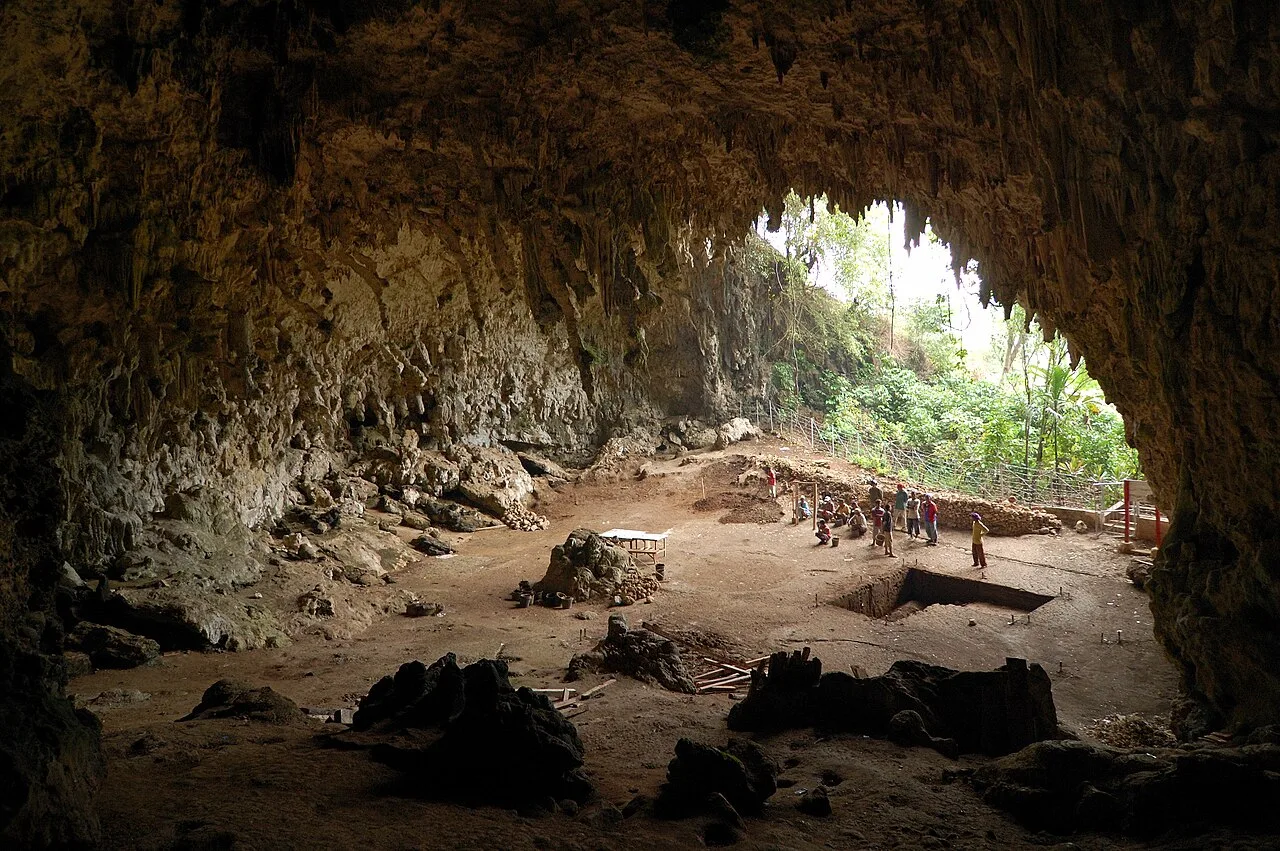
A bone that sat unstudied for 17 years has turned out to belong to a species science had never described. Researchers say it is a new extinct megapode, a chicken-like ground bird, found in the cave where Homo floresiensis was discovered.
What one bone cannot say
No wing bones were found, so flight stays an open question, and the lack of other fossils leaves the timing of its extinction unknown. The study says it may have disappeared alongside the cave's other lost animals, among them the giant stork, the dwarf Stegodon, H. floresiensis and vultures, or it may have gone long before them.
The bone does fill a gap in the bird fossil record, since the period it comes from has almost no bird data. Hanneke Meijer, a professor and curator of osteology at the University Museum of Bergen, doubts it is the only megapode fossil in Wallacea. Bird fossils have long been overlooked in favour of mammal bones, she said, and she expects more to turn up.
For Meijer, the find shows how many gaps remain in the record. Southeast Asia is regarded as a biodiversity hotspot, she noted, yet today’s wildlife is only a remnant of what existed before.
A bird that leaves its eggs
Megapodes do not sit on their nests. Meijer explained that they lay eggs in large mounds or burrows and then leave them. The group split from other fowl-like birds in the Late Cretaceous. Researchers suggest it first emerged in Australasia and spread to eastern Indonesia, Melanesia, the Philippines and Australia, where megapodes live today.
Despite that long history, the study reported no megapode fossil had ever been found in Wallacea until this one.
Bigger than its living relative
At about 3.9 kilograms, the bird would be the largest Megapodius known. Today's megapode on Flores, the orange-footed scrubfowl, weighs only 0.5 to 1.2 kilograms.
A bird named for the man who found it
The team named the bird Megapodius rokusi. The name honours Rokus Due Awe, who was the first to recognise H. floresiensis bones and who later saw that this fossil came from a bird.
"Due Awe was an incredible self-taught zooarchaeologist, and it is an honor to be able to name a species after him," Meijer said.
From the cave floor to the journal
In 2009, a leg bone turned up in the Liang Bua cave on Flores Island, where researchers were working. It was found in one of the cave's deepest layers and dates from between 190,000 and 120,000 years ago. It was set aside as a bird bone and, like many before it, left to gather dust.
Years later, researchers compared it with living and extinct megapodes. The toe joints did not match any other megapode, and the leg was larger than expected. Together this marked the bone as a new species, and the findings appear in the journal Alcheringa: An Australasian Journal of Palaeontology.
Source: Phys.org