Miliband Says a Slavery Apology Will Not Cost Taxpayers More
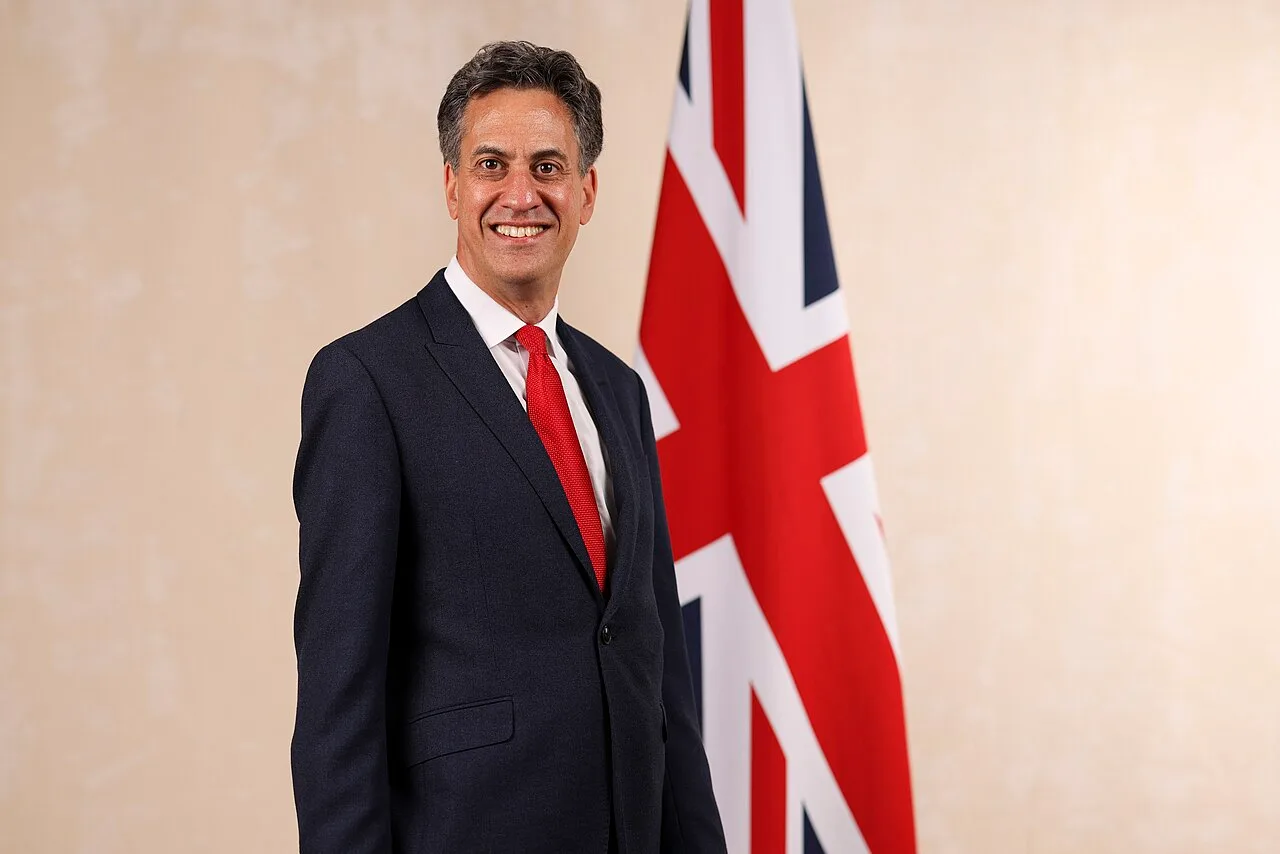
The government's new openness to a formal apology for the UK's role in the transatlantic slave trade is not meant to hit taxpayers, according to Foreign Secretary Ed Miliband. The prime minister has not said whether more money is on the table.
Apology yes, reparations no
The prime minister has ruled out paying reparations to the affected countries. He has not said whether the new approach could bring extra spending from taxpayers. Miliband, speaking on the BBC's Newscast podcast, insisted it will not mean higher costs.
Burnham now says the government is open to apologising formally. Ministers are starting a process of structured talks with affected countries. The expectation is that any apology may land close to the G20 Summit the prime minister will host in Manchester in November 2027.
From Tony Blair to Samoa
Miliband said earlier British governments tended to bury the pain and consequences of slavery. He pointed to Tony Blair, who said in 2007 that the UK's involvement was a matter of deep sorrow and regret. Miliband called that a "sorry not sorry" situation, saying it was walked back by number 10.
He said Blair's approach is still referred to, and that it came up in a recent conversation between Andy Burnham and Barbados Prime Minister Mia Mottley.
Miliband also pointed to the Commonwealth Heads of Government Meeting in Samoa two years ago. He said he was told on his second day as foreign secretary that it had not gone well, and that it ended in a verbal punch-up over this issue. In his words, it has been a problem for the Commonwealth for around 20 years and has grown.
What Miliband learned from the history
He said he asked for a historical digest of Britain's role. By his account, more than three million people were shipped with the complicity of the British state over a couple of centuries, and hundreds of thousands died. Those who survived faced appalling conditions, he said.
On whether an apology is weak, he said: "I think it's the opposite of weak." He added that countries unable to face their past are fragile and weak.
He and the prime minister are now beginning a process likely to end in a formal apology. They hope it will let the Commonwealth turn its attention to other matters.
Our View
An apology without reparations leaves a gap that affected countries may test during the dialogue. The government has not said what, if anything, would sit alongside the words. The talks with those countries, and the run-up to Manchester, will show how far the position can hold.
Source: BBC News