Liverpool Touch the Box Often but Rarely Create Big Chances
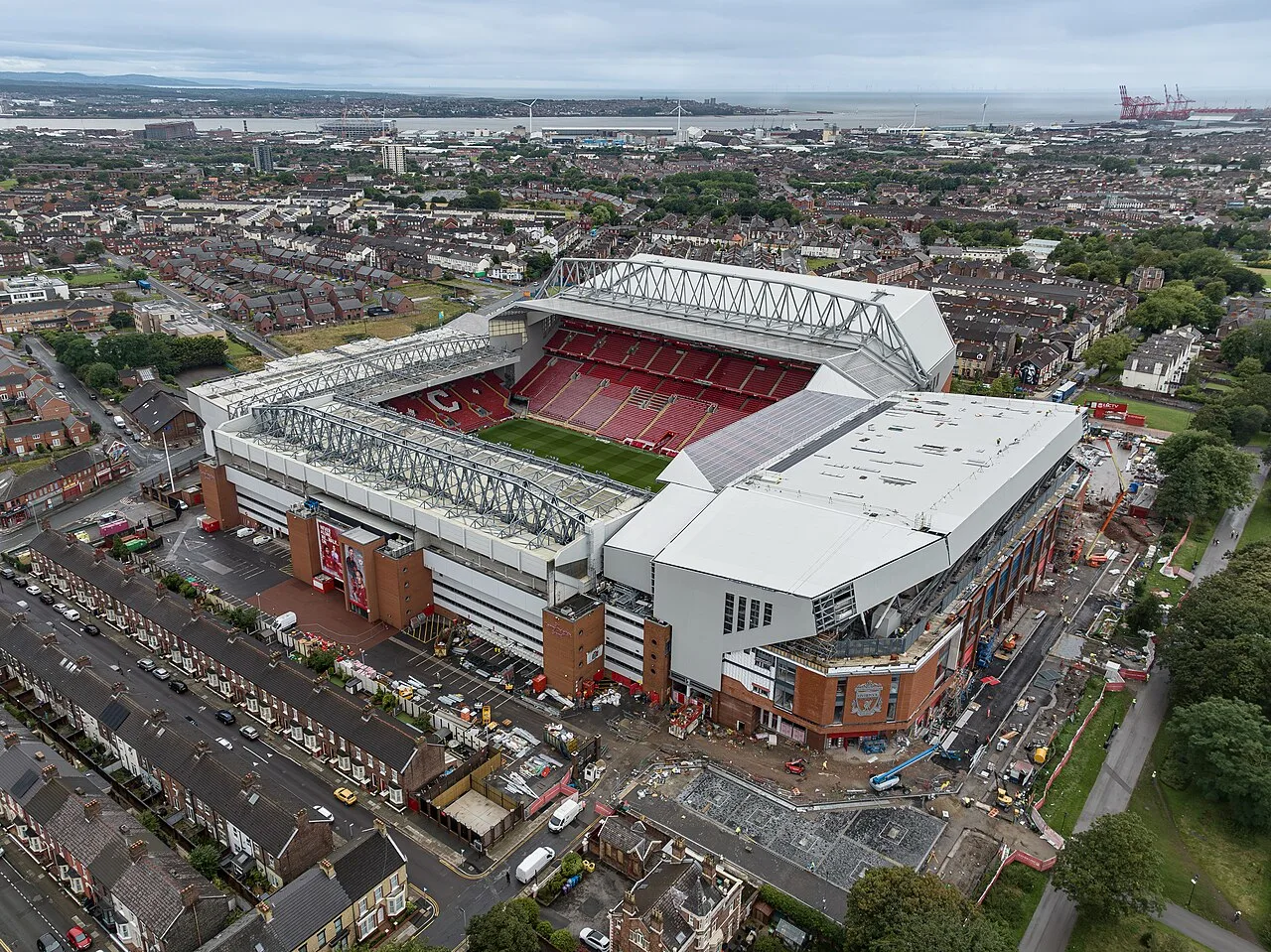
Big chances are a small slice of the shots in the Premier League but most of the goals. Liverpool are not producing them, and Sunday's loss to Arsenal showed it.
This season's league figures put big chances at 18.1% of Premier League shots. They account for 59.5% of the goals.
Under Andoni Iraola, Liverpool get into the area regularly. Against Arsenal they had 52 touches in the box and created one Opta-defined big chance. Across the league, a big chance arrives on average every 10.3 box touches.
A first at Anfield
Liverpool lost 1-0 and, according to Opta, did not have a shot on target. No Premier League game at Anfield has gone that way for them since records began in 2003-04. The same happened in a goalless draw at the Emirates Stadium this year, and in both games they hit the woodwork.
Alexis Mac Allister's floated ball from distance into David Raya's arms was not counted as a shot.
Not only Arsenal
Arsenal did well to limit the quality of what Liverpool got, but plenty of teams have managed the same. Twelve sides have had fewer touches in opposition boxes, yet only Coventry, with 11, sit below Liverpool's 12 big chances. Thierno Barry of Everton has had 15 on his own. Erling Haaland of Manchester City has 14.
Europe looks different. Liverpool have 12 big chances in three Champions League games. Two of those opponents, Lask and Villarreal, are rated by Opta below every Premier League team. Matches in the league phase also tend to be more open because less rides on each one.
Wirtz without a big chance
Florian Wirtz is the sort of player who should find a way through a packed defence. He has not created a big chance in the league this season. In his debut campaign he made five, and that already trailed Dominik Szoboszlai with 14, Mohamed Salah with 11 and Cody Gakpo with 10.
He ranks ninth in the league for completed final-third passes, so he is not short of involvement. The report says his play has been built more around holding and recycling possession than around breaking lines.
Deep blocks and goals conceded first
Liverpool have spent longer building up against low defensive blocks than anyone else. The report links that partly to the scoreline: they conceded first in five of eight matches and have led by two goals only against Ipswich and Brighton, so opponents have seldom needed to step out.
Iraola said in his first Liverpool press conference that he liked facing low blocks, because his team would control matches and play mostly in the opposition half. Only four teams have more touches in that half or more final-third passes. The territory has not translated into better chances.
What the pressing data says
Most of Liverpool's big chances in the league have come from corners or crosses in open play. Bradley Barcola has had moments: he went clean through at Brentford after winning the ball back, and set up Alexander Isak against Brighton after an opposition mistake.
Even so, only 16.7% of Liverpool's recoveries in the final 40 yards end in a shot. The league average is 18.4%, and Liverpool's rate is the seventh-worst.
Our view
Two levers stand out in the data: how Liverpool use their recoveries high up the pitch, and how Wirtz is used against compact sides. Both sit with the coaching staff. Upcoming league games against deep defences will show if either one has moved, and the big-chance count is the figure to compare.
Source: the Guardian