Liverpool Study Finds Beavers Kept a Cheshire Site Wet in Drought
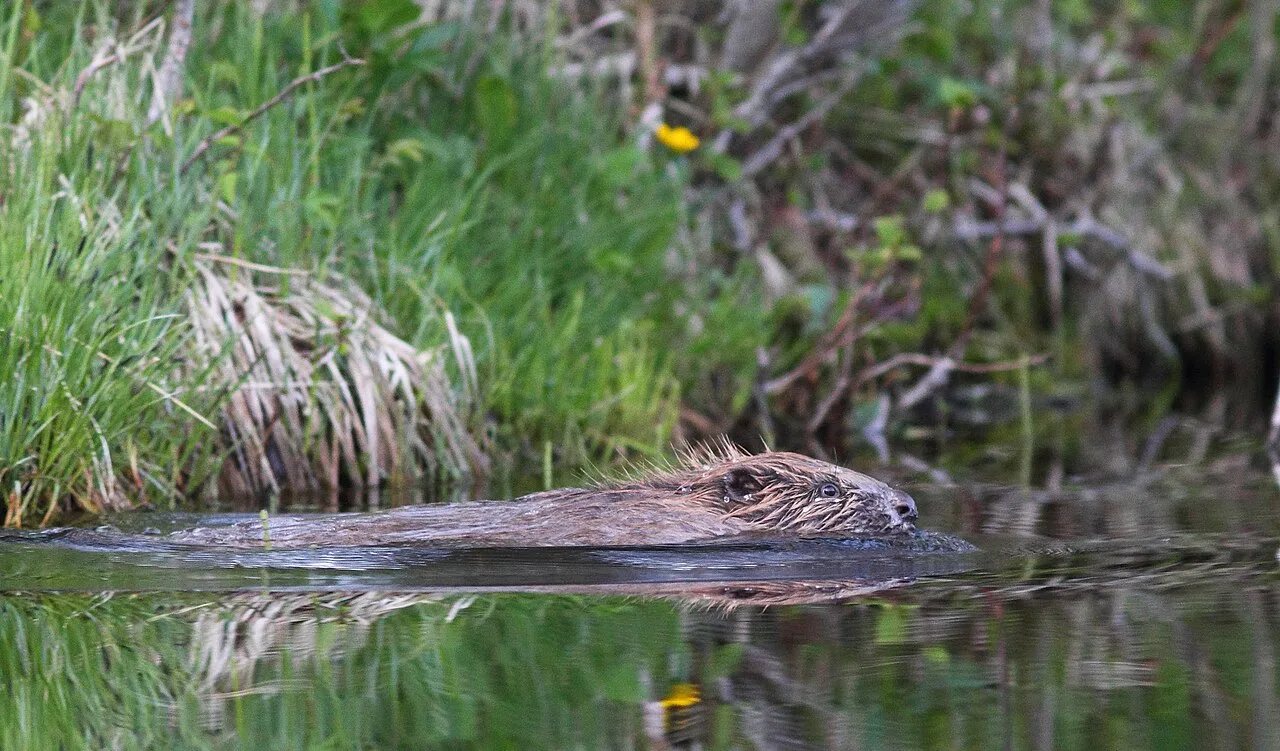
Wild beavers have a new argument in their favour. A University of Liverpool study says a beaver enclosure in Cheshire kept its ground wet through a drought, and its author wants the result to count when England decides where else to release them.
Where beavers fit in England's story
Beavers were hunted to extinction in the 16th century. They returned to England only in recent years, and at first only behind fences. Last year the government said licensed projects could release beavers into the wild.
The Liverpool work adds to the debate over whether more animals should go straight into open country. Dr Melanie Baker wrote the report. She hopes it will influence government policy and lead to more releases. Her case also rests on principle, because in her view beavers "should always have been here originally".
Hatchmere in the 2022 drought
The study is based on the enclosure at Hatchmere, run by the Cheshire Wildlife Trust. A pair arrived there in 2020 and have since had seven kits. According to Baker, the enclosure stayed wet throughout the drought of July 2022.
She explains the mechanism. Water kept moving out of the enclosure into a neighbouring site of special scientific interest. That held the water table high, so the peat stayed wet and its plants survived. Foxes, wading birds and other wildlife that depend on water benefited too.
Peat, carbon and a changed landscape
Gareth Longden, who is part of the trust's project, points to what lies underneath. Water from the beaver pond is soaked up by the peat body, and that helps lock up carbon. Peat is waterlogged ground built from plant remains, so it matters when it dries out. Longden says Hatchmere was one of the few areas to stay really wet after a drought that seemed continuous this year.
The beavers have also reshaped the site. Dense woodland has gone because of constant tree felling. Patches that used to be dry are now full of water.
What the researchers concede
Baker says beavers sometimes dam water where it should not be dammed. Longden adds that they can cause flooding where nobody wants it and can fell trees of particular value to wildlife. Both still judge that the benefits far outweigh the negatives.
Baker describes the Hatchmere project as the 10th reintroduction programme in the country. They were all set up to learn about the benefits and the risks of releasing beavers.
Our view
The result comes from one enclosure in one dry spell. The report as quoted gives no figures for water levels, so it is unclear how large the effect was or whether other sites would match it. The licensing decisions that follow, and any further releases, would show how far policy leans on findings like this.
Source: BBC News