Labour Pulls Out of Power-Sharing With Greens in 11 Councils
Labour is leaving joint administrations with the Green Party in 11 councils, so some will have to find new partners or govern as a minority. The cause is a national Green policy that defines Zionism as racism.
The motion that started it
In October, Green Party members backed a motion called "Zionism is racism". It describes Zionism as an ideology that backs an ethnonationalist Jewish state in historic Palestine. The motion also backs a single democratic Palestinian state, including in modern-day Israel. Once members passed it, it became party policy.
It has left senior Greens divided. Jewish groups and opposition parties have condemned it. Party leader Zack Polanski has called the motion imperfect but stands by its core argument that Israel's conduct toward Palestinians rests on racist ideology.
Prime Minister Andy Burnham told MPs in October that Labour would not partner with the Greens over what he called an antisemitic policy.
An ultimatum to local groups
Labour's head office then told Labour-Green councils that local Greens must disown the motion. Green groups were also asked to urge their national leadership to rethink.
Labour said it had local agreements in 18 authorities, and that 11 of them did not meet its conditions. Sheffield, Warwick and Lewes are among those affected. Derbyshire Dales, Runnymede and West Devon are on Labour's list too. In Runnymede, Labour says local co-operation had already ended, and in Lewes the Greens announced last week that the alliance was ending by mutual decision.
Labour said conditions were met in Broadland, Monmouthshire, North Somerset, Rother, West Oxfordshire and West Sussex. Coventry has no formal arrangement, and Labour says none will be made. Co-operation continues in the West of England mayoralty, where the deputy mayor is a Green.
Labour chair Bridget Phillipson said the policy crosses a line and the party cannot work with any party that supports it at any level of government.
Sheffield: from joint control to a minority
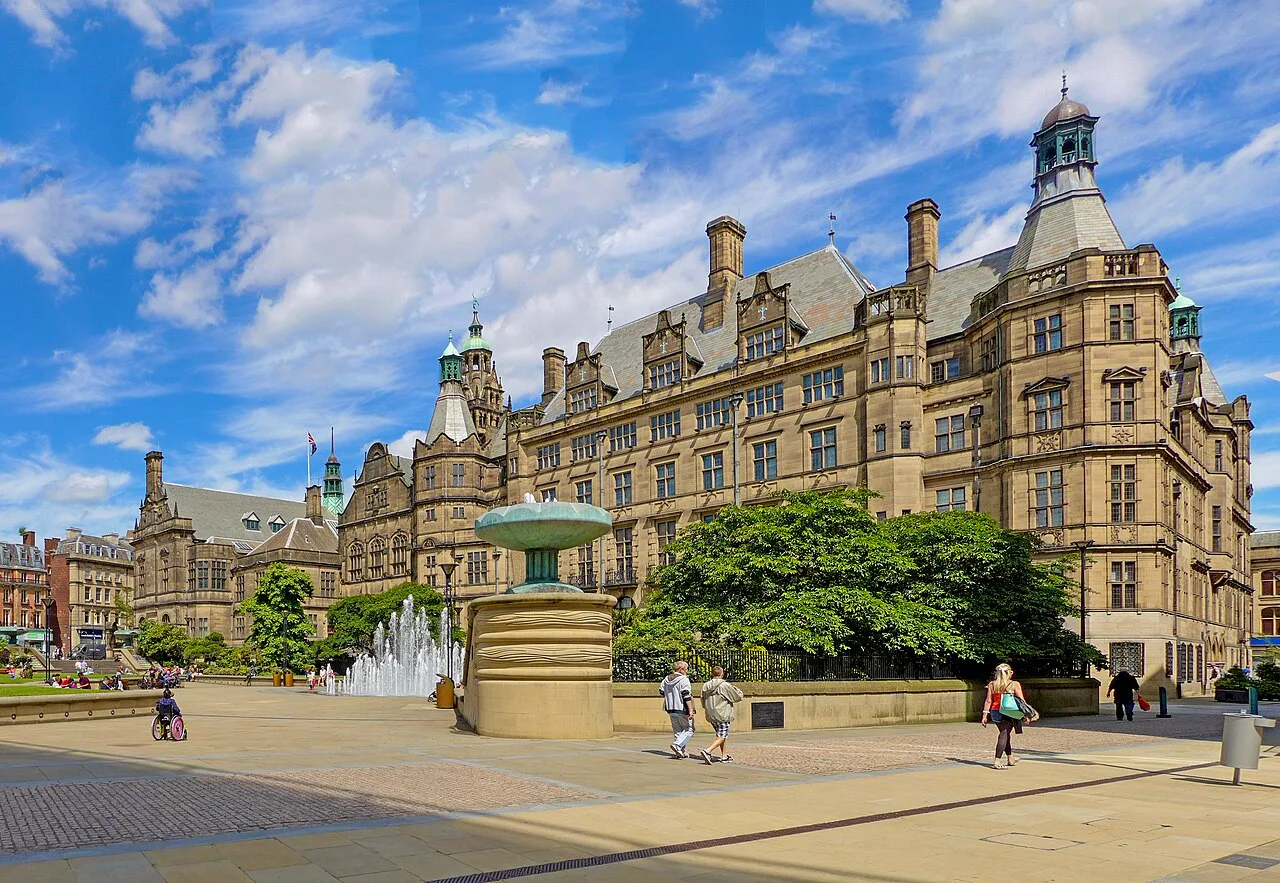
Sheffield is among the largest councils affected. After the May 2026 elections, 25 Labour and 20 Green councillors formed a power-sharing deal for a city of 550,000 residents.
Angela Argenzio, who leads the Sheffield Greens, replied to Labour's ultimatum without mentioning the motion. She insisted local Green councillors are not antisemitic and told Labour they were being directed by their national leader.
Council leader Fran Belbin, from Labour, said her party would propose on Wednesday to carry on as a minority administration. "We now feel we are at the end of the road with the joint administration," she said. She said trust in the Sheffield Greens was completely broken.
Greens say Labour is playing politics
A joint statement from the Green Party and the Local Government Association Green Group said they were hugely disappointed that Labour was putting successful partnerships at risk. Polanski said the move would backfire on Labour.
Green co-deputy leader Rachel Millward, who also leads Wealden Council, argued that criticising the Israeli state should not be treated as antisemitism. The Warwick Greens said they would not condemn a democratically agreed policy. Havant Green group leader Netty Shepherd accused Labour of performative politics and said the end of the coalition would be a complete disaster for residents. Her concern, she said, is bins and town centres, not foreign policy.
The Liberal Democrats also run some councils together with the Greens. Leader Sir Ed Davey said last week that he would not enter a national partnership with any party committed to such a policy. He has asked local Lib Dem leaders in coalitions to urge Green councillors to reject the motion.
Our view
The practical test is local. Budgets and policy votes in the affected areas could take longer to pass, since both parties must now line up alternative partners or run minority administrations. Sheffield will show the pattern first, when its Labour group makes its minority proposal on Wednesday. Whether the Liberal Democrats' coalitions with the Greens come under the same pressure is the next open question.
Source: BBC News