Isle of Man Biosphere Report Flags Seabirds and Sewage
Sewage discharged into the sea and struggling seabirds are among the problems facing the Isle of Man after ten years as a UNESCO Biosphere, according to a new report. The State of the Biosphere report reviews the decade since the island became the world's first whole-nation Biosphere in 2016.
The status recognises places that balance protecting nature with supporting people, communities and the economy, and it is reviewed every ten years. UNESCO will decide next summer whether the island keeps it. The report says some wildlife is recovering but many species and habitats remain in long-term decline.
What has improved
Juniper, a native shrub that had disappeared from the island, has been replanted in the uplands since 2016, and surveys show "encouraging survival and growth". The last native plant was dug up from Glen Auldyn in 1947 in an attempt to save it, but died soon afterwards.
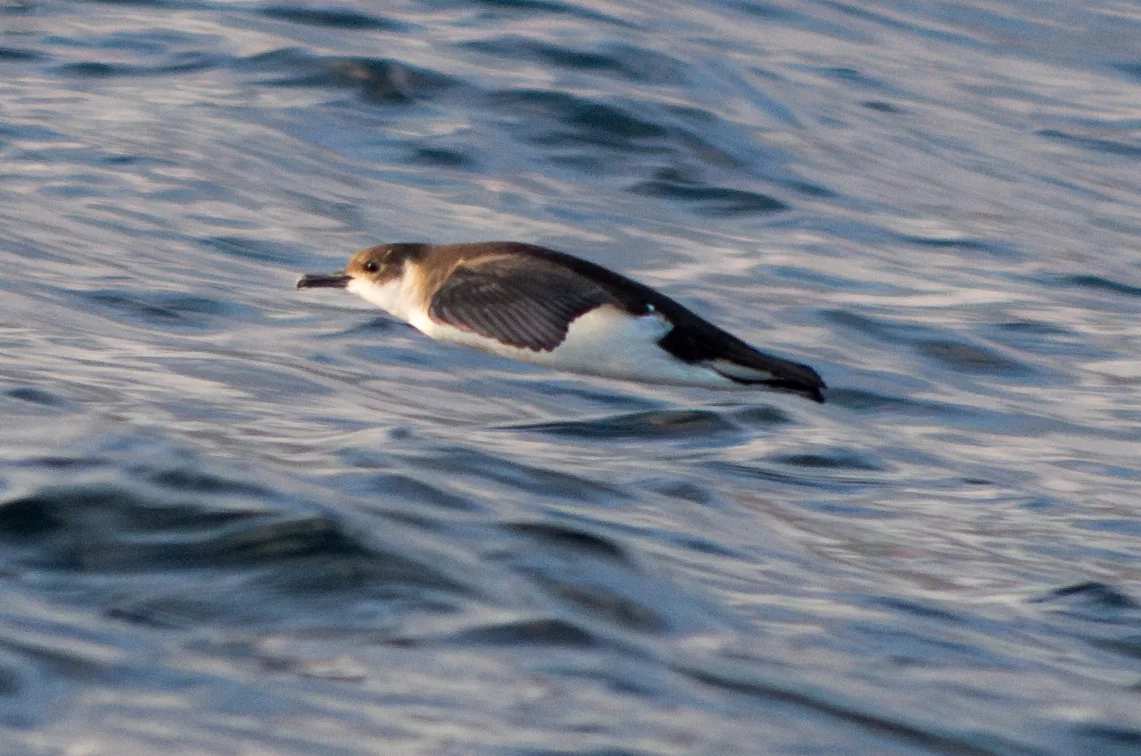
On the Calf of Man, rat control has helped the Manx shearwater recover to about 1,500 breeding pairs. Nine new Marine Nature Reserves have been created since 2016, and together they cover more than half the sea within three nautical miles of the coast. By the end of last year, 420 hectares of damaged peatland had been restored.
What has not
A 2024 assessment found that 48 of the 166 bird species regularly seen on the island are on the red list of greatest conservation concern. Monitoring has also found declines in young salmon.
The report acknowledges that sewage is still being discharged into the sea at Peel and in Garff. Work on a new treatment works for Peel began last year.
It says Biosphere status is "not a claim that everything is working as it should", and that its credibility depends partly on being prepared to admit where it is not. Jason Bissell, chairman of Biosphere Isle of Man, said there was "much to celebrate from our first decade, and much still to do".
The report was published alongside an exhibition at the Manx Museum called Jeihosphere, which tells the story of the Biosphere through ten objects. It runs until 28 February.
Source: BBC News