Healey Hints Youth Minimum Wage Gap May Outlast This Parliament
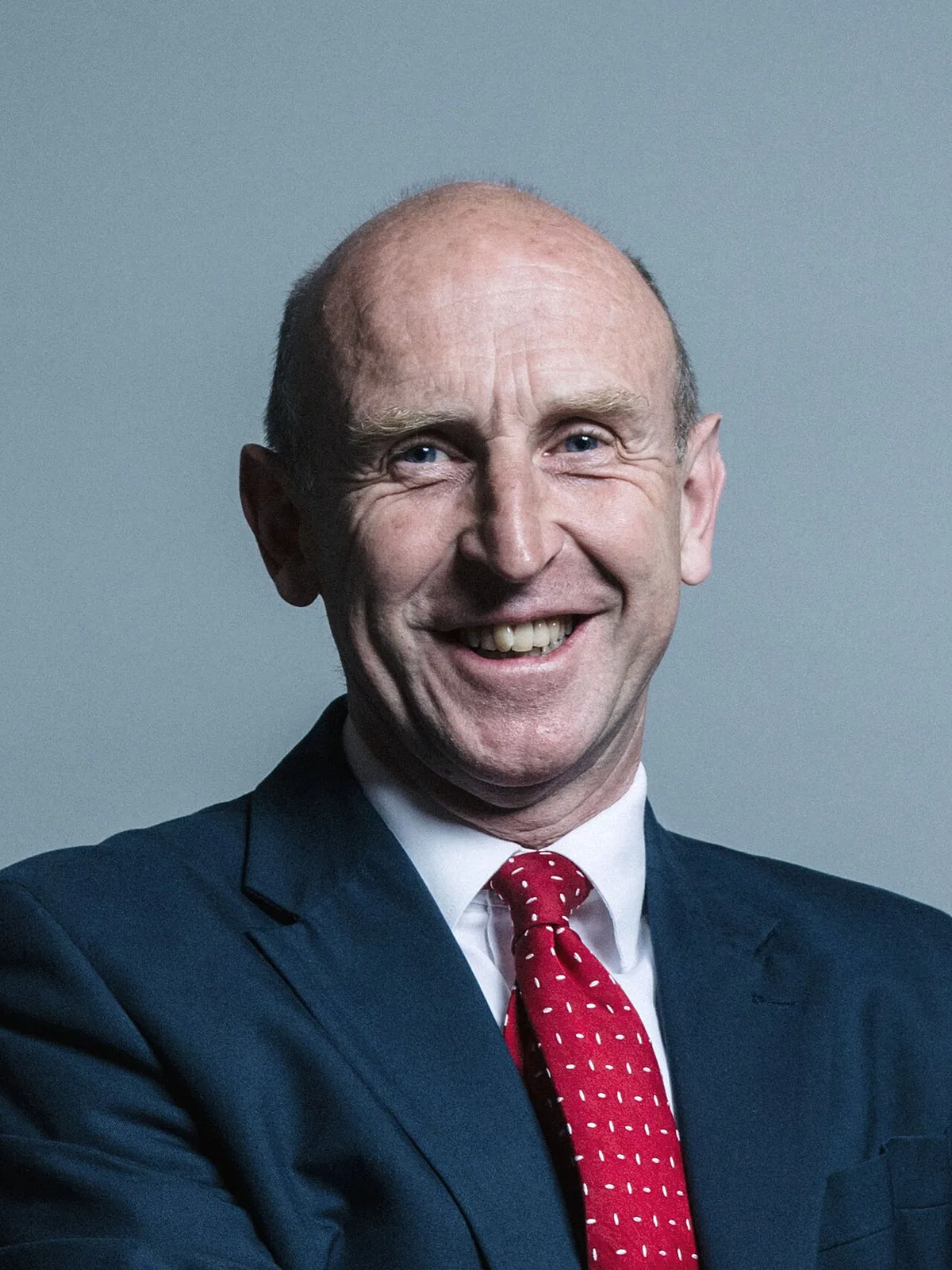
Chancellor John Healey has stopped short of promising that 18 to 20-year-olds will get the same minimum wage as older workers before the next election. That puts a Labour manifesto pledge in doubt.
A promise from 2024
In 2024, Labour said it would remove discriminatory age bands. It vowed to end the gap between the adult minimum wage and the rate for 18 to 20-year-olds.
Last week's Budget did not close that gap. Healey said younger workers would receive the same increase as older ones, so the difference remains this year.
Under the 2026 rates, 18 to 20-year-olds will be paid £11.27 an hour. Over-20s will be paid at least £13.21.
"One step at a time"
Healey was asked in a BBC interview, due to be broadcast on Sunday, whether the two groups would be paid the same by the next election. He replied: "We'll take one step at a time."
He said Labour was still committed to the ambition. He hinted that equalising pay might be delayed, partly to encourage businesses to employ younger workers.
"There is no question about whether or if, it's a question of when - it's a question of how fast," he said.
The BBC says a delay is likely to anger the unions and some on the left of the party.
Jobs for the young
Healey spoke of a trade-off between jobs and wages. He said he wanted to take business and trade unions with him. He called it a moral shame that a million young people are written off without prospect of work.
Spending cuts on the table
The Chancellor also suggested he is willing to make potentially big cuts to some areas of public spending, so that the country's debt starts to fall. The Budget documents spell out real-terms reductions for some government departments in the years ahead.
The Institute for Fiscal Studies questioned this week whether the government would follow through. Pressed on cuts of more than 2% a year to some departments, Healey did not rule them out. He said the plan would be carried through to the 10-year plan and next year's spending review.
Our view
The wording "when, not whether" leaves room for a long wait. It may be worth watching whether the spending review puts a date on equal pay for young workers. Unions and business groups could press for different answers on timing.
Source: BBC News