Healey to Deliver Modest First Budget Aimed at Cost of Living
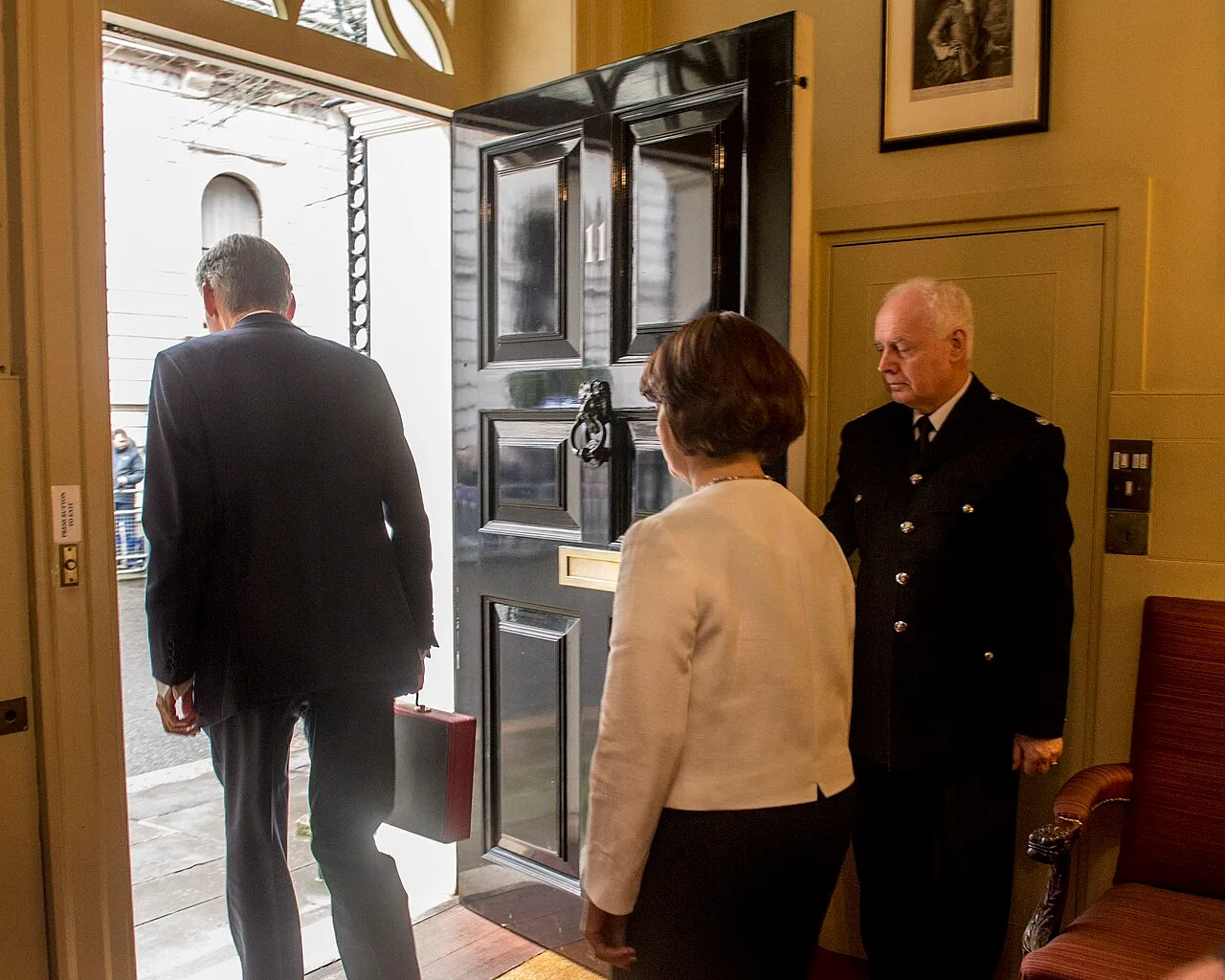
Chancellor John Healey delivers his first budget on Wednesday. He has acknowledged the UK faces a "difficult moment". He is expected to offer a relatively modest package, with important decisions on tax and spending put off until next year.
In a video released ahead of the speech, Healey said conflicts abroad were pushing up energy prices and the cost of living. "This budget is about getting through this difficult moment," he said. "But it's also about putting Britain on a future path, a better future path." He says he will stick to Labour's fiscal rules and ease costs "responsibly".
What is expected
On household costs, Healey is expected to offer temporary support to poorer families before a steep rise in typical energy bills in January. He is also expected to pledge energy market reforms to bring bills down in the longer term. Andy Burnham recently told MPs he wanted the gas standing charge, a fixed daily levy on all users, abolished. That would lower bills for people who use less energy, with higher users paying the cost.
Other expected measures:
- An end to the carer's allowance cliff edge, which has penalised unpaid carers for earning even a few pence a week over the limit.
- Cancelling January's planned fuel duty rise.
- A minimum wage rise of nearly 4%, with a slower rise for under-21s, which has prompted accusations that Labour broke a manifesto pledge.
- Income tax protection for nearly one million people, and a more generous Help to Buy scheme.
To offset the hit to public finances from the Middle East war, Healey is poised to raise taxes on banks. That could reverse cuts to the bank surcharge made by Jeremy Hunt and raise upwards of £2bn a year. Online retailers will be made responsible for collecting tax owed by firms selling on their platforms.
Industry experts fear further investment in hydrogen and carbon capture will bear the brunt of efforts to rein in spending. A "roadmap" to devolving more tax revenues to local leaders is also expected. The detail of Burnham's devolution plans is due in a white paper in the coming weeks.
Markets and the economy
On Tuesday the government paid its highest yield on new five-year bonds since 2008, above 5%. Markets expect the Bank of England to raise rates four times, to 4.75%, over the next 12 months. Inflation hit an in-year high of 3.5% last month. Consumer confidence has fallen at its fastest rate since Brexit. Consultancy BTG reported that businesses in financial distress have reached their highest level in more than two decades.
Healey struck an optimistic note, saying investment is up, productivity is growing and Britain had the joint fastest growth in the G7 in the first half of the year.
The Conservatives said he was set to "shy away" from hard choices. Shadow chief secretary Richard Fuller called it a "do-nothing" budget. The Lib Dems' Daisy Cooper warned against a "steady as she goes" approach.
Source: The Guardian