Glasgow Museums Pull Mummies Amid Request to Return Priest's Remains
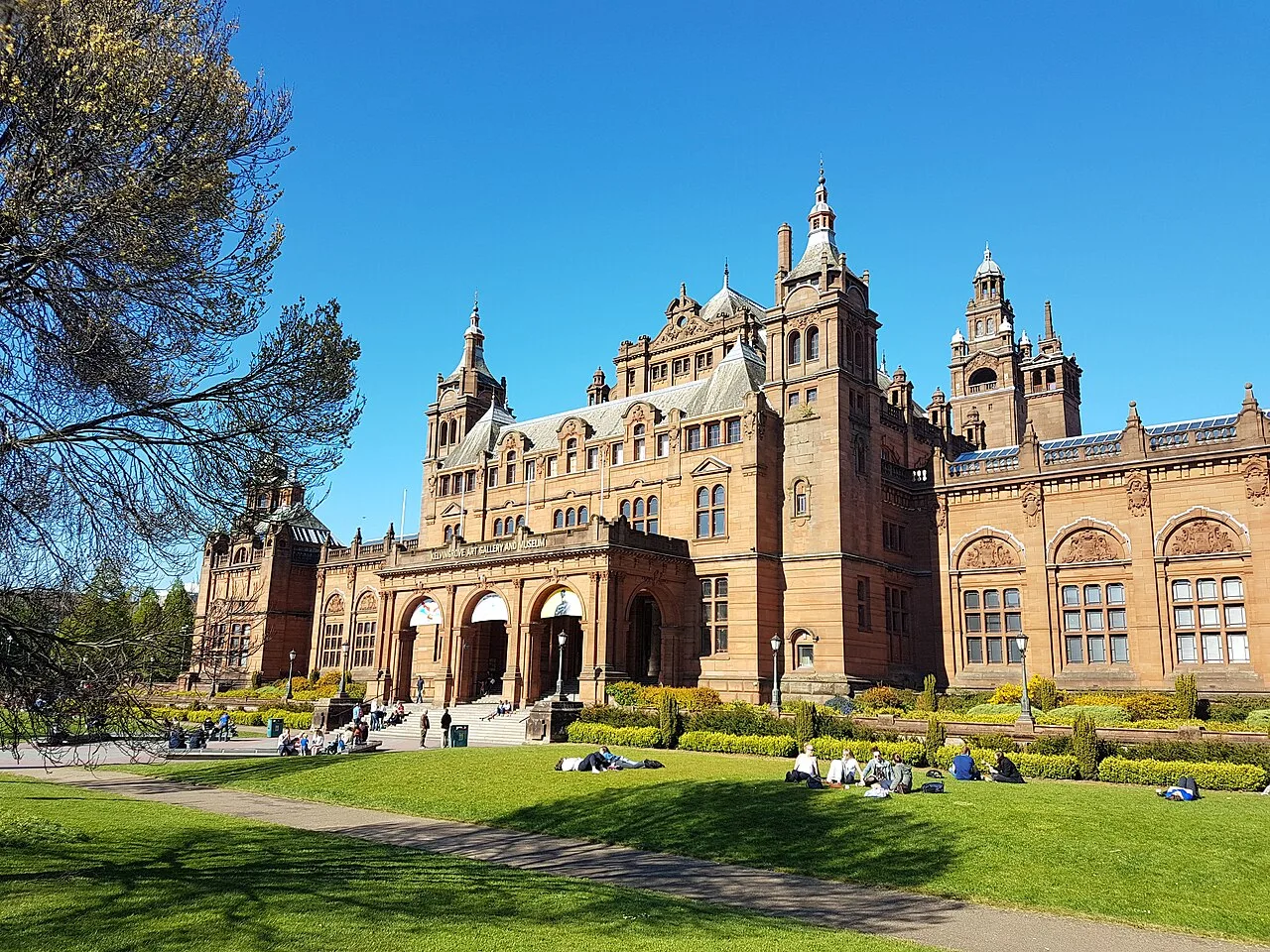
Glasgow's museum operator says it is more respectful to keep ancient Egyptian human remains off show when the dead have not consented to being displayed. Visitors to the Egyptian section of Kelvingrove Museum will no longer see them.
Consent as the test
Glasgow Life Museums has a draft human remains policy. It proposes showing remains only where there is documented, informed consent from the deceased or, where appropriate, from descendants. Without that consent, the operator says withdrawing ancient Egyptian remains from view shows more respect to the dead.
It backs the move with two outside documents. One is the revised code of ethics of the International Council of Museums, published in June 2026, which says "museums should uphold the inherent dignity of human remains and promote respect for their significance". Glasgow Life had earlier said that removal reflects contemporary museum practice.
The other is a 2025 report by the All-Party Parliamentary Group on Afrikan Reparations, titled Laying Ancestors To Rest. It questions the ethics of showing ancient Egyptian remains, arguing that displays have repeatedly ignored what the ancestors and the communities who buried them may have wanted.
What has left the galleries
The remains of the priest Nekht, which were shown in a painted coffin, are no longer on view. A mummified male head, a right foot and a right hand, all recovered from the Valley of the Kings at Luxor, have also gone.
More removals are under way. Staff are taking archaeological human remains out of the History Discovery Centre and the Scotland's Early People gallery at Kelvingrove. A coffin and mummified remains at St Mungo Museum in the city centre come next, once that work is done.
A spokesperson said removal will continue "as care and conservation for specific items and the whole collection allows", and that it is likely to take some time.
A repatriation request
Within the last few days, Glasgow Life received a request to repatriate Nekht's remains to Egypt. It could not confirm who made the request.
The remains are meant to end up in a store with restricted access. It went up in the second phase of the Glasgow Museums Resource Centre, designed for human remains and other delicate items.
Our View
Two points remain open. Glasgow Life has not said who sent the repatriation request, and no decision on it has been reported. The consent rule is still only a draft policy, so its final wording may show whether removal becomes the default for all human remains in Glasgow's museums, or only for those with the clearest ethical objections.
Source: The National