Gene Variants Tied to Missing Teeth and Birds' Lost Teeth
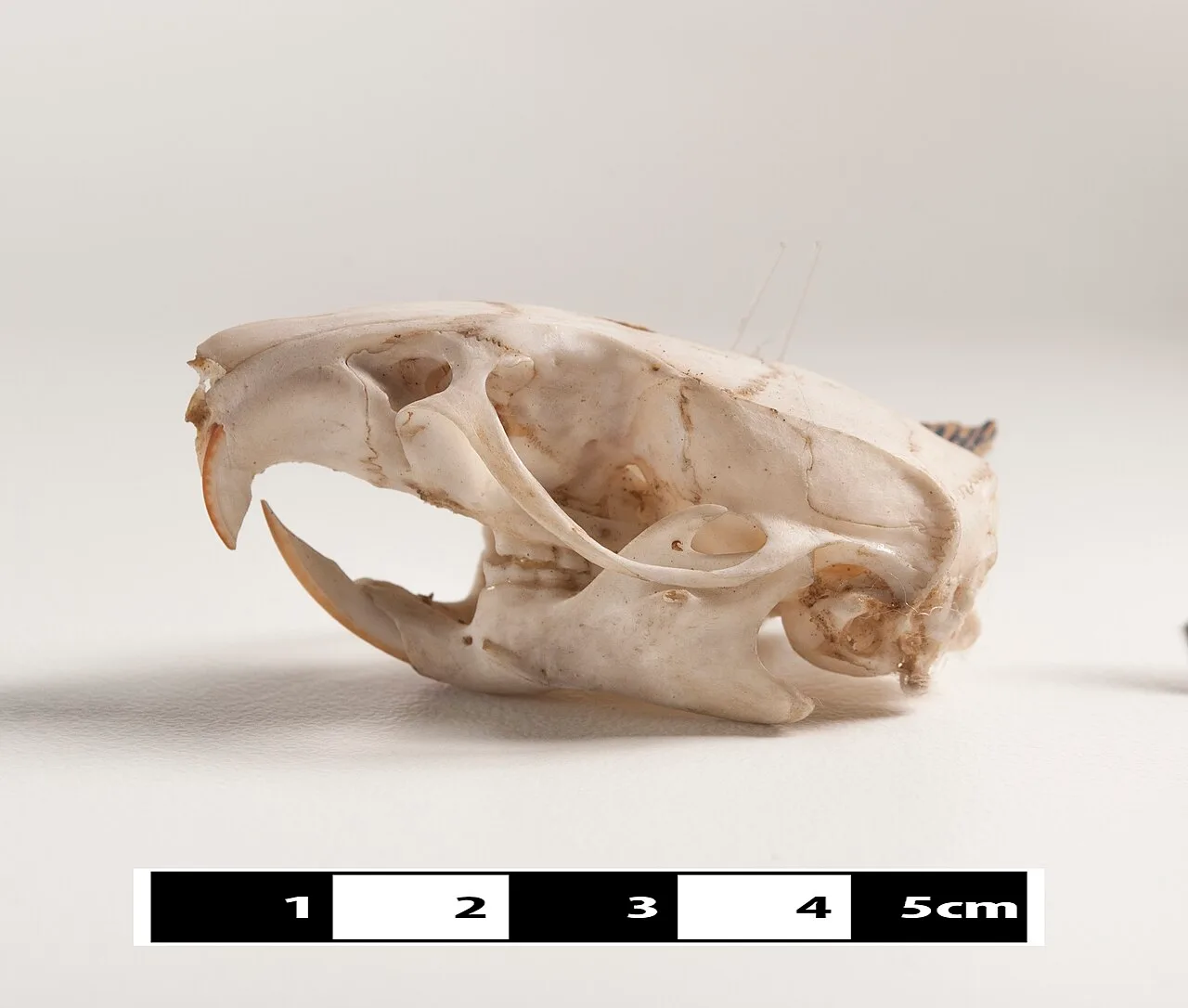
Rare variants in a gene called C2CD3 have been linked to a range of dental differences in people, including missing teeth, unusual tooth shapes and teeth present at birth. The same gene may also help explain how birds lost their teeth.
An international team that included scientists from King's College London published the study in Proceedings of the National Academy of Sciences. It connected changes in tooth number, shape and size in 24 patients to changes in C2CD3. Mice that lacked the gene showed many of the same dental changes.
One gene, opposite effects
C2CD3 helps build primary cilia, tiny structures inside cells that work like antennae and let them receive signals guiding development. Disrupting the gene altered a signalling pathway called Sonic hedgehog (SHH), which helps decide where teeth form and how they develop.
In mice with disrupted C2CD3, SHH activity rose in parts of the developing upper jaw and fell in the lower jaw. That offers a possible reason why one gene can produce extra teeth in some places and missing teeth in others.
Abigail Tucker, professor of development and evolution at King's College London, said: "It was exciting to see that, like the patients, the mice had both extra and missing teeth in different parts of the jaw." She said the work would help refine treatments for patients with complex dental problems.
What it says about birds
Birds do not naturally have teeth. The researchers nonetheless found tooth-like structures in embryos of the talpid2 chicken mutant, which carries a variant of C2CD3. Those embryos showed increased SHH activity in both jaws.
According to the findings, birds did not lose teeth because they lost the whole set of tools for growing them. The processes that form teeth were instead switched off or suppressed.
Tucker said a change in C2CD3 function could have "both tooth-enhancing and tooth-repressing effects dependent on the position in the jaw". The research, she said, gives "a window into how tooth development changed over the course of vertebrate evolution".
Source: Medical Xpress