First Patient Receives Stem-Cell Transplant for Parkinson's in Japan
A patient has received a pioneering stem-cell treatment for Parkinson's disease, the Japanese drugmaker behind it said on Friday. It is a world first following the therapy's conditional approval in Japan.
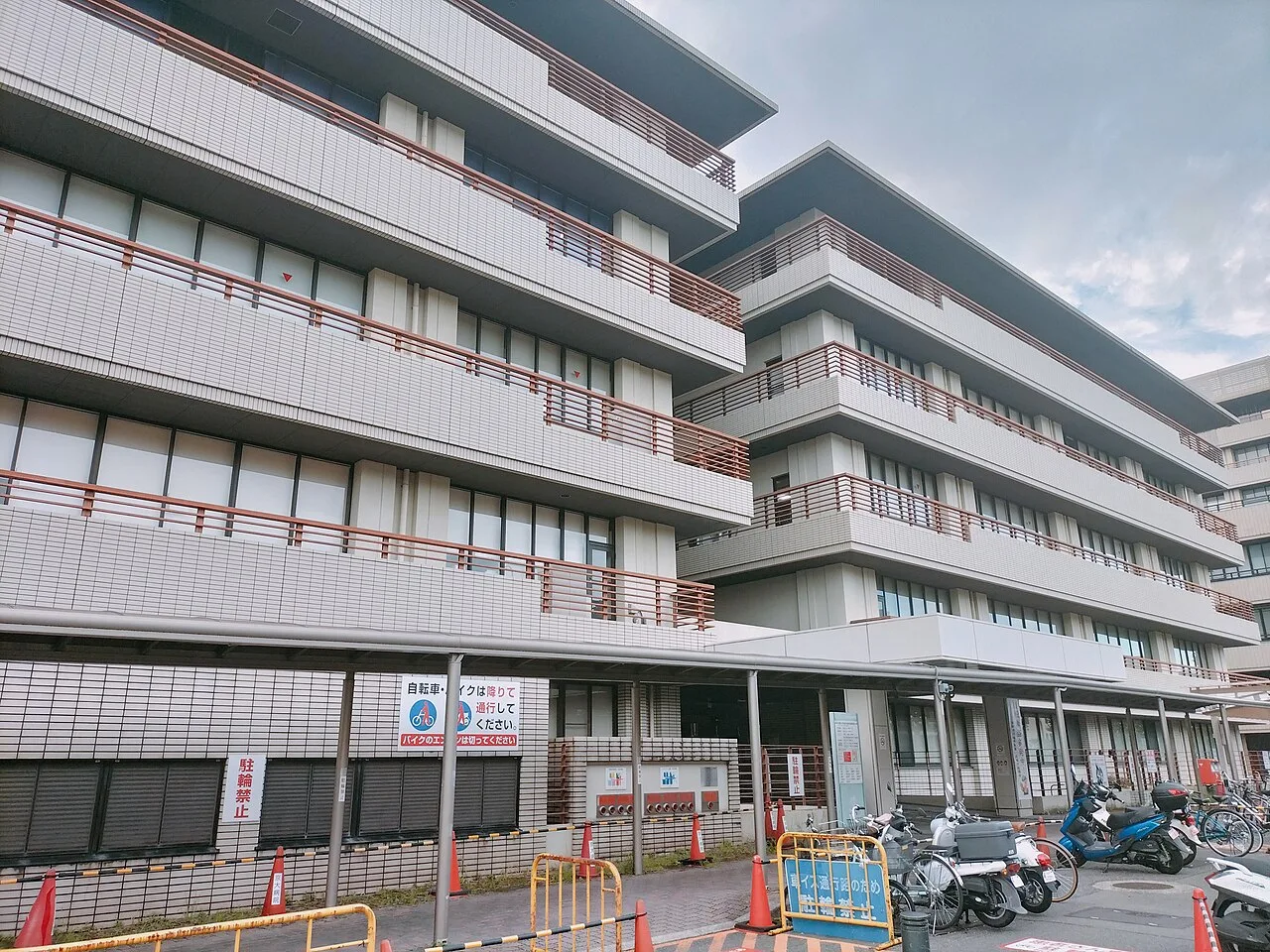
Sumitomo Pharma said the first transplant took place at Kyoto University Hospital in October. The company gave no further details. It announced the news in an earnings press release.
How the treatment works
The therapy transplants millions of induced pluripotent stem (iPS) cells into a patient's brain. These cells can develop into any cell in the body. They are made by prompting mature, specialised cells to return to a juvenile state.
In Sumitomo Pharma's approach, iPS cells from healthy donors are grown into precursors of dopamine-producing brain cells. People with Parkinson's no longer have those cells.
Trial results and next steps
Japanese regulators approved the therapy in March, after a successful clinical trial. Seven patients aged between 50 and 69 took part. Each received implants of either 5 million or 10 million cells on both sides of the brain. They were monitored for two years. No major adverse effects were found, and four patients showed improvements in symptoms.
Sumitomo Pharma plans transplants on 20 to 30 patients by March 2029. It is also running a clinical trial in the United States. According to local media, the treatment will gain full approval in Japan if its safety and efficacy are confirmed over the next seven years.
Parkinson's is a chronic, degenerative neurological disorder that affects the body's motor system, often causing shaking and other difficulties with movement. The Parkinson's Foundation estimates that more than 10 million people live with it worldwide. It says available therapies improve symptoms without slowing or halting progression of the disease.
Friday's announcement came a month after a hospital in Osaka carried out the world's first surgery using sheets of heart muscle iPS cells. Those sheets can help form new blood vessels and restore heart function. Japan gave conditional approval to that therapy in March as well.
Source: Medical Xpress