Mayors May Use Tax Share to Pay Grants to Residents
English regional mayors who are due to receive a share of tax revenues will be free to use it for cash grants to individual residents and businesses, the BBC has learned.
In his Budget, Chancellor John Healey set out plans to let mayors keep some income tax and business rates collected locally. He called it "the most radical act of devolution in a generation".
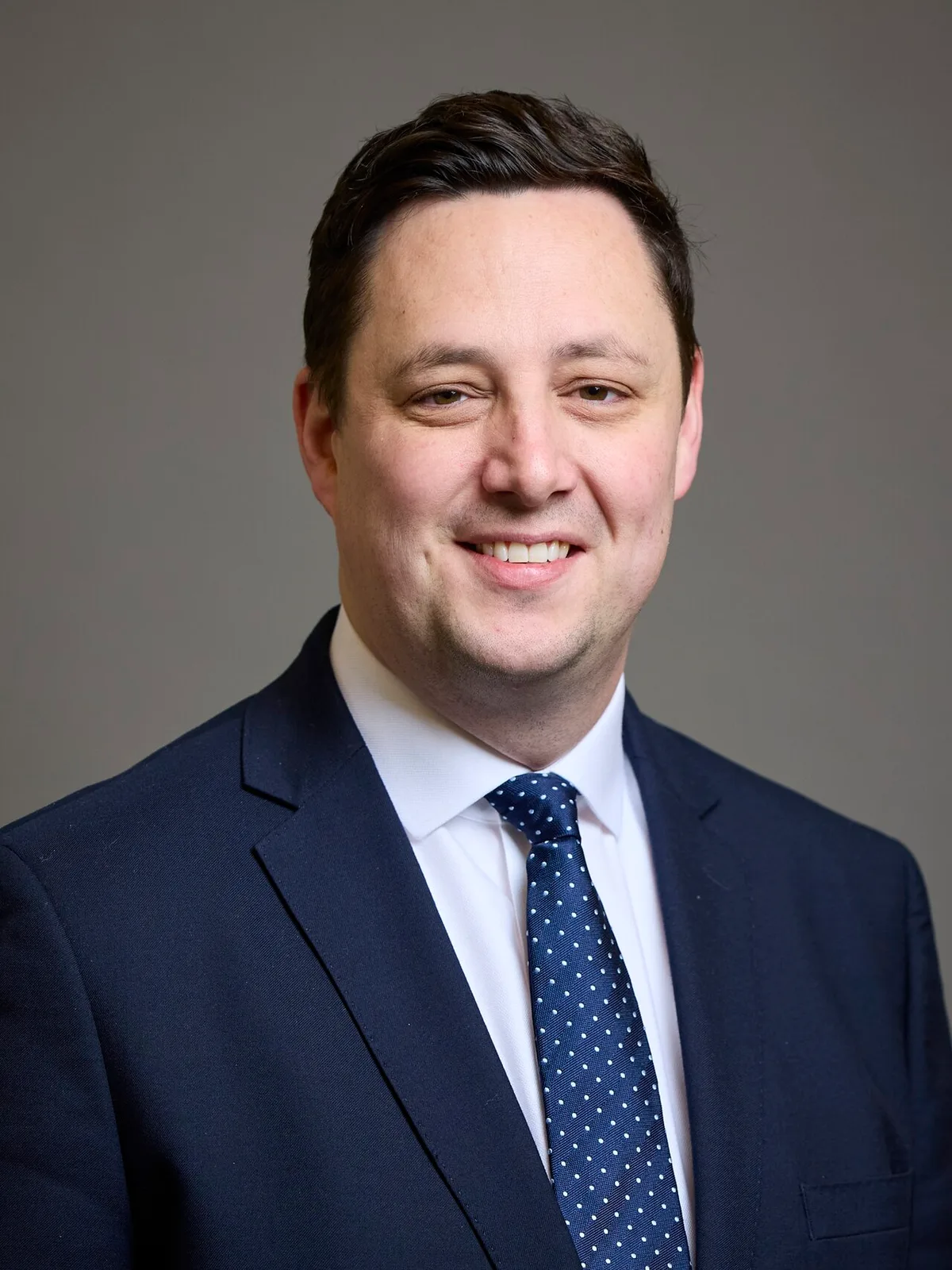
Tees Valley Mayor Ben Houchen, a Conservative, says he has been given assurances that he can give grants to local residents. He is working on a voluntary scheme that would let residents apply for a share of the tax distributed to his region. He calls it a "tax rebate scheme".
Treasury officials told him this fits the government's rules on devolved funding. "It's a technical point around spending decisions," Lord Houchen said.
HMRC is the only authority in the UK that can issue income tax rebates, so the Treasury would treat such payments as grants. A mayor who chose this route would have less for other priorities such as housing and transport.
How the money will flow
From April 2028 every mayor of a strategic authority in England will be assigned a share of basic-rate income tax raised in their area. Each will get a bespoke allocation that reflects regional differences in tax bases. Exact amounts will be set at next year's spending review.
Mayors will not be able to set income tax rates or thresholds. The government's plan says they will have "significantly more flexibility" over how the money is spent, for example whether to keep funding local transport.
From next year mayors will also receive a 20% share of locally retained business rates. This is a first step towards letting local and mayoral authorities keep 100% of business rates before the end of the decade.
From 2028 these authorities can also introduce an Overnight Visitor Levy, an uncapped charge as a percentage of accommodation costs. Labour mayors in 10 city regions said they would limit it voluntarily to 5%. Lord Houchen said he would not introduce it.
Most of England's 14 strategic authorities have Labour mayors, who welcomed the move. Sources close to Reform UK mayors Andrea Jenkyns (Greater Lincolnshire) and Luke Campbell (Hull and East Yorkshire) say they are waiting for more detail.
Prime Minister Andy Burnham argues that funding and decision-making are too centralised. The OECD puts the share of national taxes collected locally in the UK at 5.8%, the lowest in the G7. France is at 20.4%, Japan at 36% and the US at 45.7%.
The Centre for Cities supports fiscal devolution but warns that some areas may lack the expertise to manage the powers, which could deepen inequalities. The Tees Valley Combined Authority is facing a government inspection of its finances over "long-term financial sustainability" concerns raised by Local Government Minister Jim McMahon. The authority said it welcomed the scrutiny.
Source: BBC News