Dorothy Exhibition Revisits Liverpool's Mid-1970s Music Scene
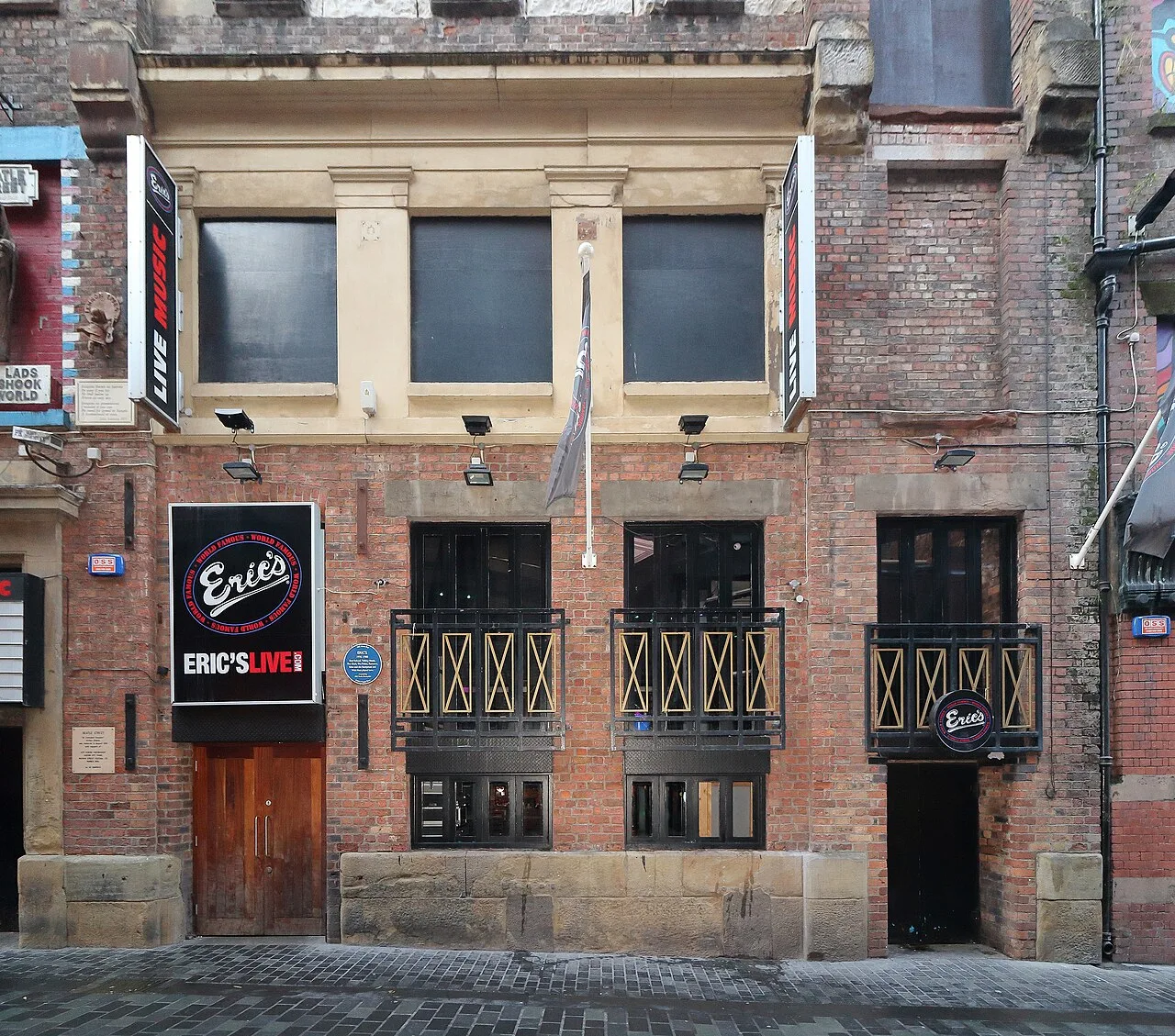
A new exhibition at Dorothy in Liverpool city centre looks back at the city's music scene in the mid-1970s, when Beatlemania was fading and a different generation of bands was starting to appear. The Liverpool Echo reported on the show on 24 October.
The exhibition is called 50 Years of DIY Music and Creativity in Liverpool Part One: The Pool of Life. It opened earlier this month at the venue on Jordan Street and is due to run until 20 November. It is built from press cuttings, gig posters and photographs.
How it came together
Dorothy co-owner Jim Quail curated the show with documentary maker and author Grant McPhee. McPhee has been making a series of films about the scene in and around Mathew Street. He visited Dorothy during an earlier show and had gathered a large amount of ephemera, stories and photography. He needed somewhere to turn the research into an exhibition, and Quail told him it could be done at Dorothy.
The show is mostly focused on 1976. It follows Mathew Street as it began to change, when Peter O'Halligan took over a warehouse and turned it into Aunt Twacky's and O'Halligan's Parlour. It then moves through the Liverpool School of Music, Language, Dream and Pun and on to Eric's and the scene around it. The musicians the period produced include Echo and the Bunnymen, The Teardrop Explodes and KLF.
What is on display
Quail said the aim was to reflect the energy of the era by mixing as many kinds of material as possible. A piece of photography sits beside cut-up text, scripts, handwritten lyrics and photo sheets from photographers who were there. The show also includes the original issue of Daredevil that gave The Teardrop Explodes their name, with a panel explaining the link, and lyric sheets beside it.
Video clips, people's memories and items sourced from those who lived through the period are part of the display too.
Quail said visitors have already responded to it. "We've had people come in and see themselves there and go, 'Oh my God, look at us there,'" he said. He said many have been taken back to their younger days, and that he enjoys watching people who took part in the scene, or were in the audience, connect with what is on the walls.
Source: Liverpool Echo