Welsh Minister Calls £30m for Cardiff Parkway Station an Insult
A Welsh government minister has called a £30m rail pledge in the Budget "an insult to the people of Wales".
Transport Minister Mark Hooper said the money for the proposed Cardiff Parkway station was "a tiny fraction" of the cash needed to improve rail in Wales. He spoke after meeting UK government ministers and officials in Whitehall.
The Plaid Cymru-led Welsh government had asked Chancellor John Healey to bring forward £1bn of the £14bn the UK government has promised for long-term rail funding in Wales.
"The UK government's continued failure to invest in their network in Wales demonstrates, now, more than ever, the need for devolution of rail," Mr Hooper told BBC Wales. He said it was wrong to say the stations were not shovel-ready, as Transport for Wales has agreed with Network Rail to deliver them. "We just need the UK government to keep their promise," he said.
UK ministers defend the funding
UK government finance minister Emma Reynolds said the cash was part of a £445m package announced at the last Spending Review to tackle years of "chronic under-investment" in rail. She said the £30m for Cardiff Parkway was released because the planning work was done.
The Budget also confirmed £2.5m for a science park on Anglesey and £11m for a bridge in Port Talbot.
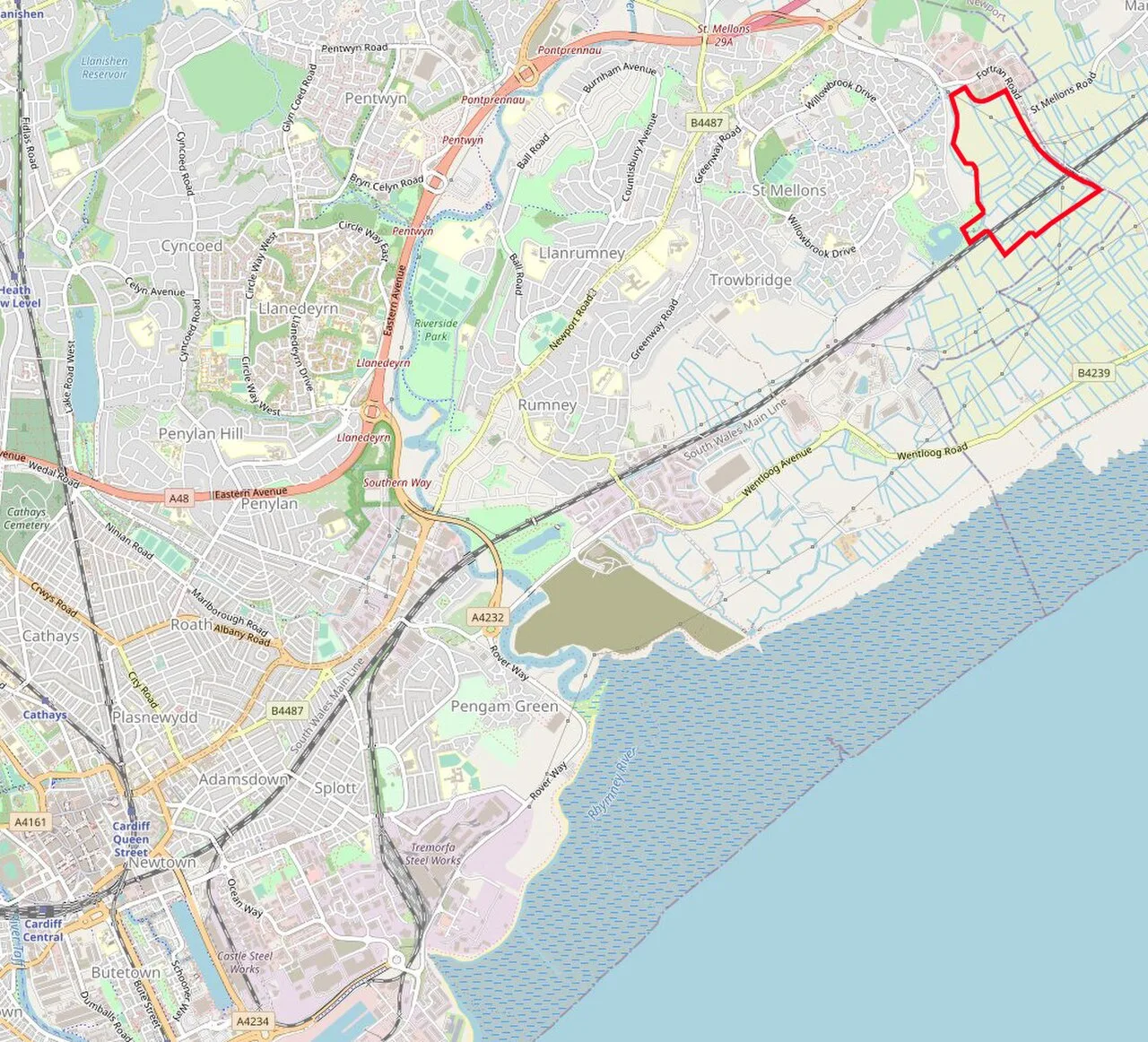
Cardiff Parkway would be built in the St Mellons area in the east of the city. It would link the South Wales Metro network with north Wales, Bristol, Manchester and London. The UK government has previously said it could serve 800,000 passengers a year and support around 6,000 jobs. Budget documents say the £30m will "progress delivery".
The Welsh government says Wales has 10% of the rail network across Great Britain but gets just 1% of Network Rail's spending.
Developers had hoped the station would open by 2024, but planning was dogged by delays. Cardiff council approved the plans in April 2022. The Welsh government then reviewed the application, and former First Minister Eluned Morgan granted permission in January 2025.
Source: BBC News