Burnham to Present Three EU Deals at 20 November Brussels Meeting
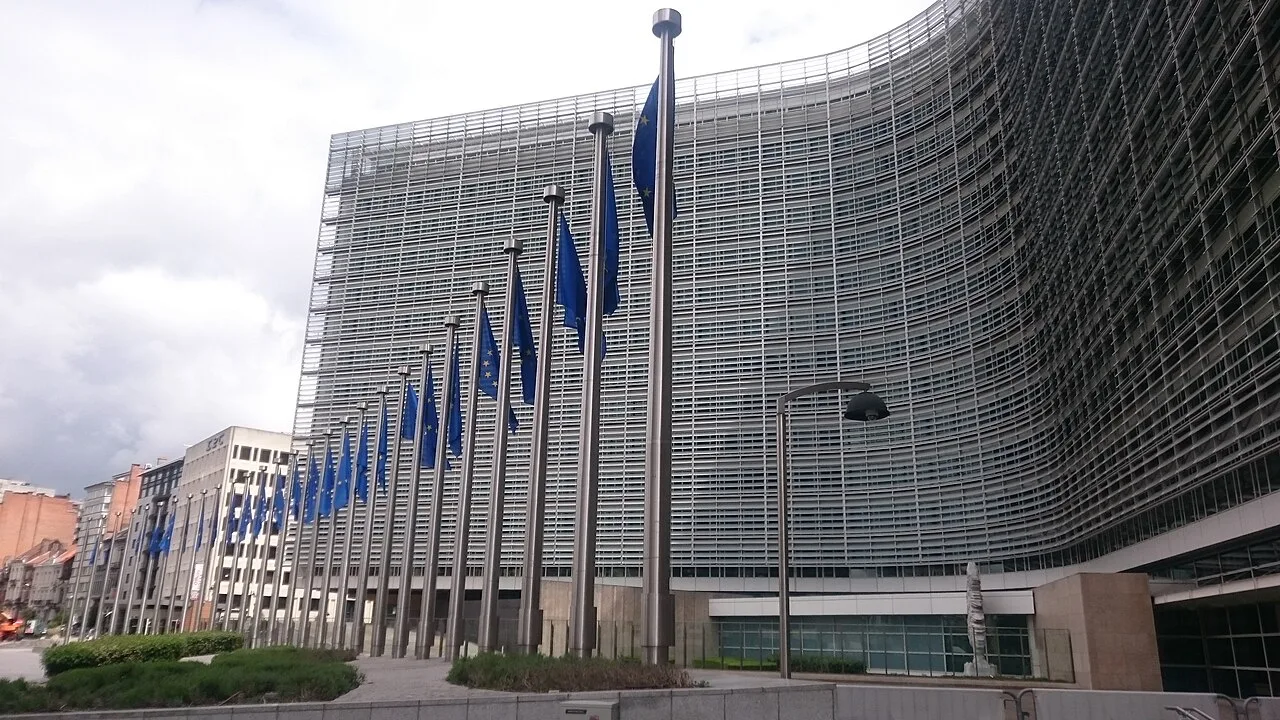
Prime Minister Andy Burnham is preparing to announce a package of EU agreements covering farming, carbon pricing and youth visas. Negotiators have nearly finished the texts, and the leaders are expected to announce them in Brussels on 20 November.
What the package is worth
Burnham told the Economist that a deal could add up to 0.4% to GDP. He put the gain at £17bn. "Now that is a number that you cannot ignore," he said.
The government values the farming part alone at over £5bn to the economy by 2040. His advisers think the package also helps his push for much closer ties with the bloc, and possibly a return to it.
Not everyone is happy. The UK would pay to access the EU emissions trading scheme, and critics say Britain is signing up to the same rules it sought to avoid when it left. Burnham told ITV he "will not run ahead of public opinion" on Brexit.
What each deal would change
Under the agricultural deal, British exporters and holidaymakers would stop needing a certificate when moving animals, pets among them, across the Channel. A pet passport would replace the paperwork for each trip.
Live molluscs and Scottish salmon are among the goods that would face fewer barriers. UK producers could also keep selling some products banned under EU law, such as certain pesticides, during a transition period.
The emissions agreement has the UK paying the EU billions of pounds, which would spare it the new border carbon charge due from January. A separate agreement would take the UK into the EU trading scheme so it is not trapped outside.
The youth experience scheme would let people under 30 spend time living, working and travelling on the other side. London is negotiating an emergency brake. If a member state does not issue its quota of visas, the UK would restrict travellers from that country.
What is still open
Negotiators in London and Brussels describe the wording of all three deals as nearly final, with a few key points left open. One is how many young people can travel. The two sides are understood to have settled on a separate quota for each member state, so that any gains and possible costs are shared around. Parts of the deal will not start until 2028.
A separate joint statement on future cooperation, including industrial policy and tuition fees, is still being negotiated. A draft seen by the Guardian would seek an agreement on lower fees for European students within six months. The Guardian reported that the UK would spend hundreds of millions of pounds compensating universities, but only if the EU lets Britain into its Made in Europe scheme.
The draft was written by the EU and the UK has not agreed it. Several European governments want the UK to match higher duties on Chinese electric cars, an idea ministers and businesses are fighting. The draft also says the UK is likely to contribute to the EU cohesion budget for poorer member states, though that is not signed off and is understood to be more likely in a later agreement.
Brussels also objects to a UK plan to deport foreign national offenders to the EU more quickly and is pressing London to drop it.
Our view
The three deals look closer to done than the joint statement, which carries the harder trade-offs on tariffs, fees and cohesion payments. Electric vehicle tariffs, student fees and deportations could shape how the summit goes.
Source: the Guardian