Burnham Open to Formal Apology for Slave Trade, Not Reparations
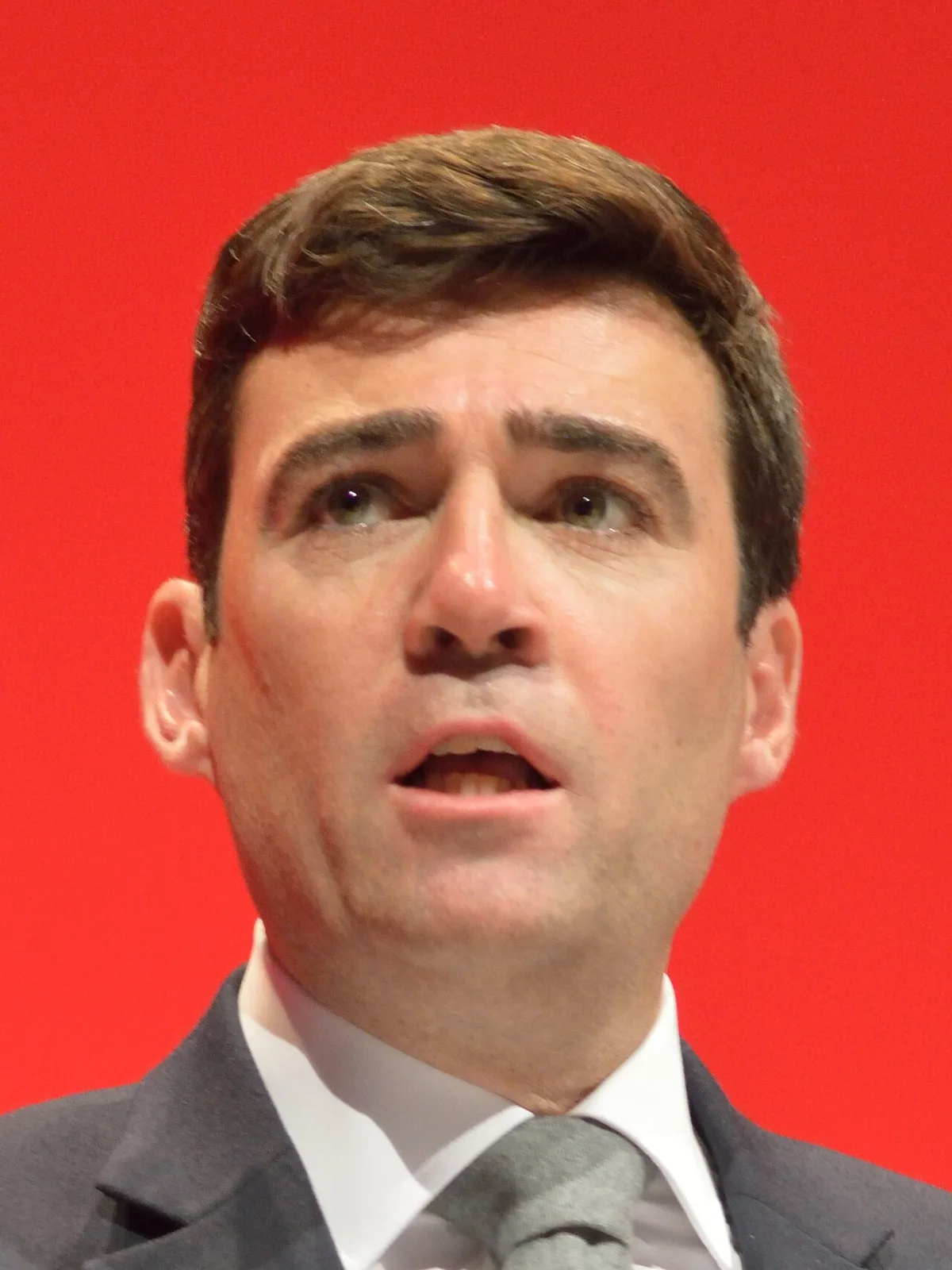
Prime minister Andy Burnham has said he is open to a formal apology on behalf of the British state for the transatlantic slave trade. He has gone further on the subject than any previous prime minister, in an article published ahead of a Commonwealth leaders' summit.
Burnham will fly to the Caribbean next week. He offered formal talks with those affected, including individual countries and campaign groups at home and abroad. Any formal statement will depend on that dialogue.
He also gave what amounted to a personal apology. "I want to express my sorrow and regret for the pain and suffering of so many millions and to recognise the way it still shapes our world today," he wrote.
Reparations ruled out
Burnham rejected demands from Caribbean countries and campaigners for the UK to pay financial reparations. He wrote that this was not the "right answer". "I do not think that British people today can be held liable for historical wrongs, however heinous, which happened in a different age under different laws and in which they played no personal part," he said.
Instead he will launch a drive to restructure debt for the poorest Commonwealth countries, led by former prime minister Gordon Brown. It is expected eventually to include organisations such as the IMF. The aim is to let countries repay over a longer period and on better interest rates. Debt servicing costs for the poorest and most vulnerable Commonwealth countries are at their highest in more than 25 years, Burnham said, and more than 40% of them spend more on interest than on health.
Reaction from the Caribbean
Barbados prime minister Mia Mottley thanked Burnham for "breaking new ground" but said the two governments "are not yet on the same page on every element". On reparations, she said, "our views differ, and we will say so plainly and respectfully."
Dorbrene O'Marde, chair of the Antigua and Barbuda reparations support commission, called the statement "a movement in the correct direction". But he added: "We reject the decision that financial reparations will not be on the table."
Ralph Gonsalves, a former prime minister of St Vincent and the Grenadines, said an apology was the first point in the Caribbean community's 10-point reparations plan but "though necessary, is insufficient". Sir Hilary Beckles, chair of the Caricom reparations commission, said he believed Burnham "is carrying the broad middle of British opinion on this matter".
Jamaica's prime minister, Andrew Holness, welcomed the willingness to discuss an apology. Jamaica lodged a petition to the king in September seeking legal advice on its reparations claim, which the privy council will hear in March. Antigua and Barbuda's prime minister, Gaston Browne, whose country hosts the summit, welcomed the offer of help with debt restructuring and a transition to renewable energy.
The Commonwealth heads of government meeting, which King Charles will also attend, runs from Sunday 1 November until Wednesday 4 November. At the previous summit in Samoa two years ago, Britain's former colonies agreed "the time has come" for a dialogue about reparations, even though then-prime minister Keir Starmer had said it would not be on the agenda.
Source: The Guardian