British Doctor With Ebola Flown Home to a London Isolation Unit
A doctor from Britain who tested positive for Ebola in the Democratic Republic of Congo is now in isolation at a London hospital. He is the first confirmed UK national to contract the virus in the current outbreak, and officials say the risk to the public remains low.
An outbreak with a high death toll
The outbreak in DR Congo began in May. Since then there have been more than 10,000 confirmed cases and more than 5,000 deaths. That makes it the second deadliest outbreak on record, behind the West African one of the 2010s. A fatality rate of 48.6% was reported at the end of last month.
The virus has also been confirmed in patients in Kenya, Nigeria and Uganda. This outbreak is driven by the Bundibugyo variant, and no vaccine is approved against it.
The World Health Organization said experts have recommended adding two candidate vaccines to an ongoing clinical trial. One comes from the University of Oxford and the Serum Institute of India, the other from Moderna. They join once Congolese health authorities approve them. Jabs designed specifically for the Bundibugyo virus have never before been tested during an outbreak.
From Northolt to the Royal Free
The man has not been named. The Department of Health said the UK and DR Congo governments, with international health partners, jointly organised his medical evacuation flight. He landed at RAF Northolt.
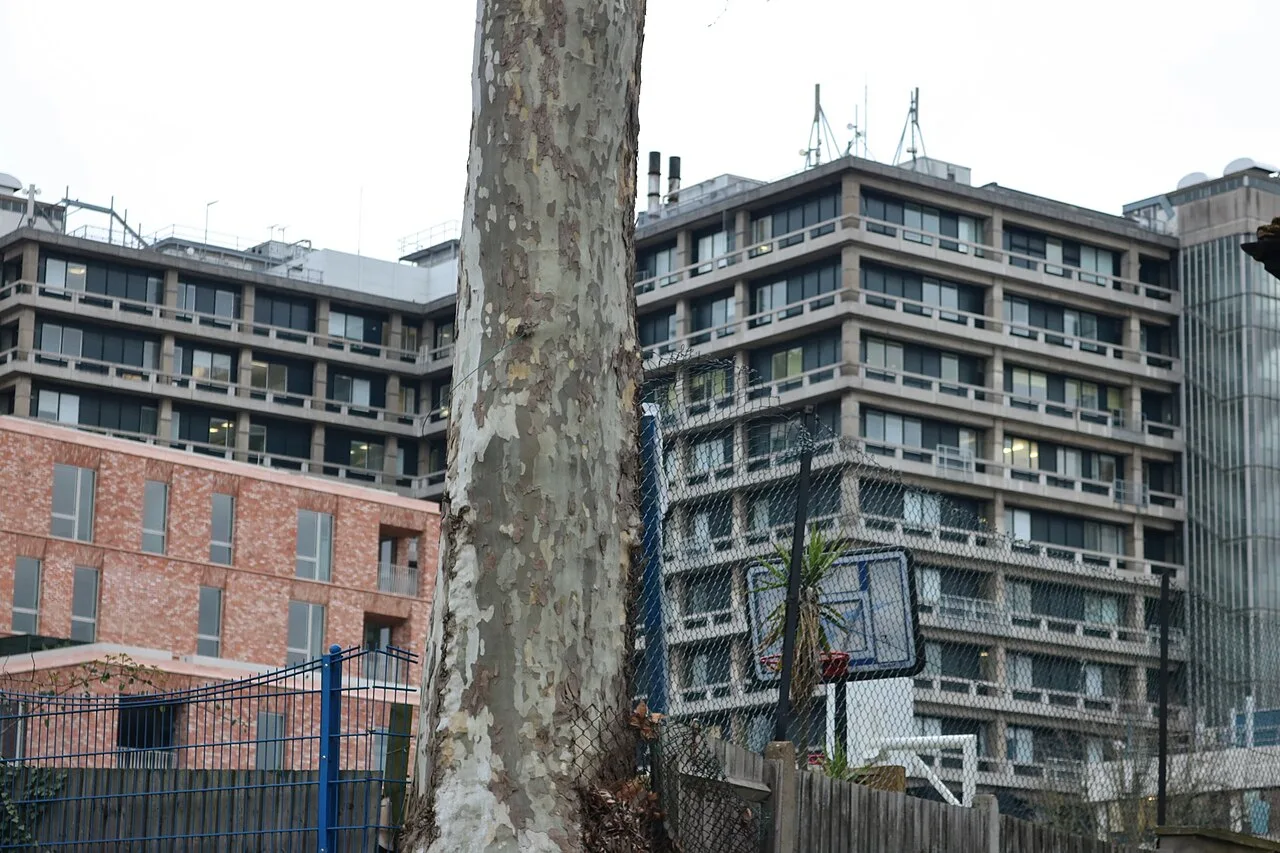
His transfer to the Royal Free Hospital in north London drew a heavy police presence: three large police vans, two ambulances and a support car. Traffic was halted and officers held back the public as the vehicles reached the hospital.
The department said he is now in a "highly specialised" isolation unit.
What the UK has seen before
Dr Renu Bindra, deputy director of the All Hazards Public Health Response team at the UK Health Security Agency, pointed to "well-established procedures for dealing with cases like this".
The Royal Free has handled Ebola before. It treated three health workers evacuated after the West African outbreak of 2014 and 2015. Only four cases have ever been confirmed in the UK: a laboratory incident in 1976, and those three health workers. None of the four died.
Ebola passes between people when someone touches the infected blood, vomit or other fluids of a patient. Vomiting and diarrhoea are among the first symptoms, and later stages can involve failing organs and internal bleeding.
Source: BBC News