Brassed Off Turns 30 as Grimethorpe Recalls Pit Closure
Brassed Off reached cinemas in 1996, and exactly 30 years on, South Yorkshire is still measuring what the pit closures it portrayed left behind. A researcher and a former miner give two views of the same story.
Where the coalfields stand
The State of the Coalfields 2024 report says former mining areas have moved on since the job losses of the 1980s and 90s. It records substantial progress in creating new jobs.
It adds that local residents have not always felt the full benefit of the new jobs in an era of international migration. Worklessness and dependency on welfare benefits remain widespread, according to the report.
Steve Fothergill, the report's lead author, describes the same picture. Large numbers of people are still out of work on benefits, health is poor, and wages are not good in some of the new jobs. In his words, the coalfields lag quite a way behind the more prosperous parts of the country.
The gap the pits left
Fothergill says everyone expected unemployment to soar when the pits closed. Recorded official unemployment did not, because many miners dropped out of the labour market altogether.
Some took early retirement. A great many moved onto what was then incapacity benefit because of health problems.
Miners in their 50s could just about get by that way. The generation behind them found few jobs. Fothergill calls this the problem everyone has had to tackle since the pits shut, and says the last 30 years have been about closing that gap in the labour market.
A minister in the cinema
The film was never meant as a political tool, Fothergill says. Its effect came through John Prescott, then Deputy Prime Minister, who went to see it.
Fothergill describes Prescott leaving the cinema convinced that someone should act on the former coalfields, before realising he was that someone.
Prescott set up the Coalfields Taskforce, which Fothergill worked on. Its work expanded colliery site reclamation, which let new businesses take over some former pit sites. He also founded the Coalfields Regeneration Trust, which is still active in former mining areas.
Fothergill calls the film's long-term impact important and positive.
Grimethorpe remembers
Grimethorpe Colliery shut in 1993. Three years later the village appeared in the Bafta-nominated film as the fictional Grimley, played against a backdrop of mine closures across South Yorkshire. Ewan McGregor, Sue Johnston, Pete Postlethwaite and Tara Fitzgerald starred.
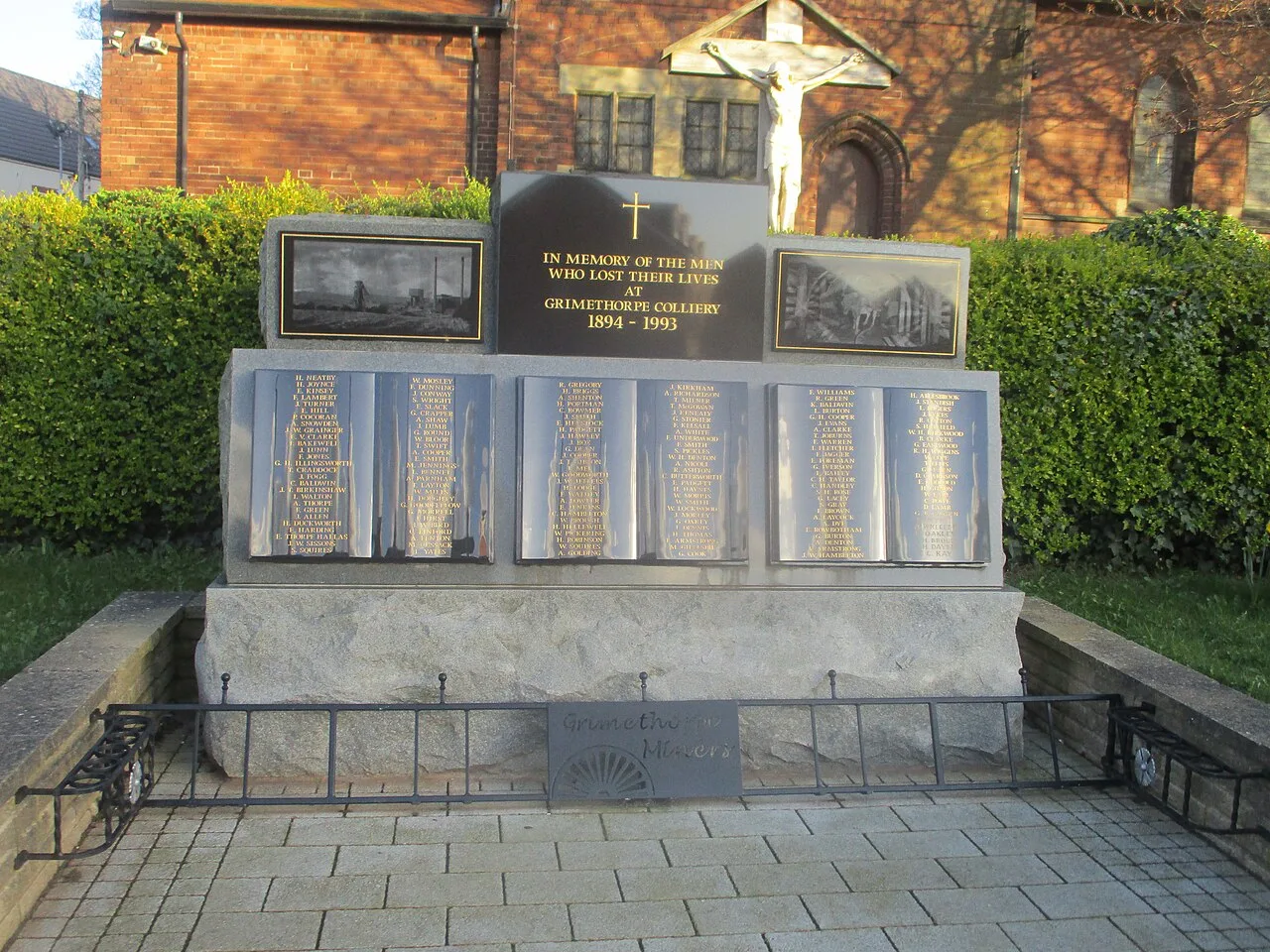
Johnny Wood, 68, worked at the colliery and chairs Grimethorpe Miners Memorial and Reunion, a yearly gathering of 300 former miners. He says the village was the most industrialised in Europe and became the poorest once the pit closed. A memorial outside St Luke's Church names 163 miners who "paid the ultimate price".
When the media came, Wood recalls, they asked only about the band. Nobody mentioned what would happen to the 2,000 jobs. He thinks Postlethwaite noticed this after sitting and talking with miners.
Some places from the film have gone. The Grimethorpe Hotel, which stood in for the Collier's Arms, has been demolished. The former colliery is now an industrial estate that is hard to reach.
Wood remembers six pubs, sports teams and a welfare club owned by the colliery workers. He says people rebuilt the community and pressed ministers, MPs and councillors to act.
Brass bands after the pits
Alex Francis is music service manager for Barnsley Council and conducts the Barnsley Metropolitan Band. He says some bands were lost when the pits closed, but many survived, and an active network of brass bands remains. Some now play under names other than their colliery ones.
The council runs a programme of music in schools. Cornet, tenor horn and euphonium are popular instruments in the area, Francis says.
Every summer the council's players give a large outdoor concert called Brassed On. Music from the film is part of the repertoire, and Francis says audiences recognise the soundtrack.
As he puts it: "They certainly know what a flugelhorn is from that film."
Our view
Two accounts sit side by side here: a village remembering what it lost and keeping its band tradition, and a researcher tracing how policy followed. The report records job growth, but Fothergill's account of benefits, poor health and low pay in some new jobs points to uneven gains. How many former miners' families have found steady work is not stated, and that would show how far regeneration has reached.
Source: BBC News