Bingo Licences May Shield Slot Arcades From Rates Change
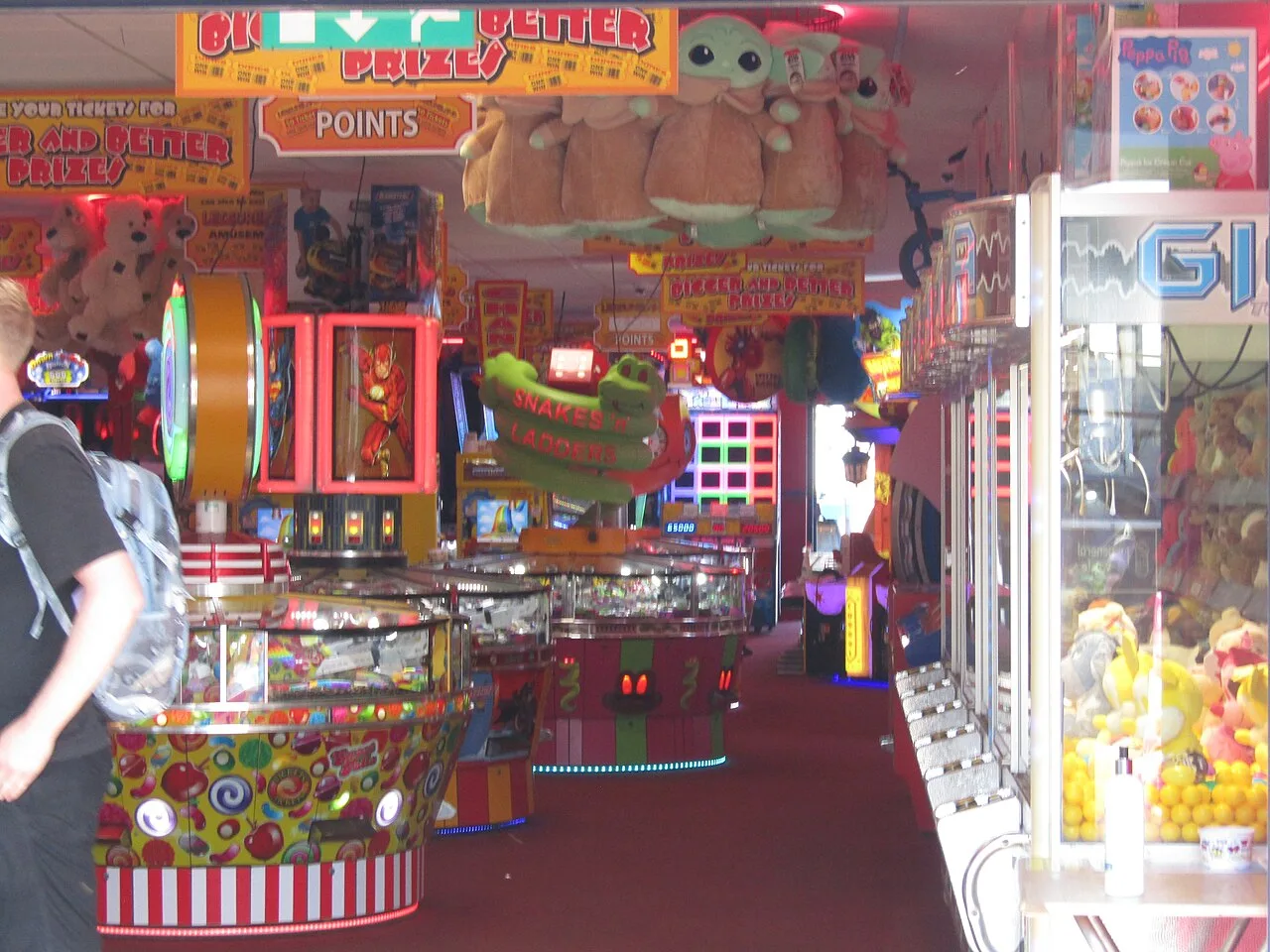
The government wants high street slot arcades to pay more tax. Hundreds of them may avoid part of the bill by holding a bingo licence.
A licence that decides the bill
The rates discount at stake is one meant for leisure and hospitality firms. Adult gaming centres, known as AGCs, were told they would lose it. Whether a bingo licence helps could hinge on how the Treasury defines an AGC and how councils enforce the rules.
Paul Turner-Mitchell, a business rates expert at Altus Group, put it this way: "A bingo licence alone does not settle its business rates treatment."
Gambling Commission records list more than 200 arcades as bingo venues even though they seem geared to slot play. Some entries are duplicated, so an exact count is hard. Operators now have the option of moving their remaining AGC licences over to bingo.
What the reporters found inside
The Guardian visited four shops run by Merkur and one run by Admiral, the two largest slot arcade companies in the UK. Every window advertised bingo. Inside, slot machines took up nearly all the space, and bingo was offered only on tablets stacked in one small corner.
Covert filming caught a member of staff saying nobody ever used the tablets. They did not seem to work. The rest of the venue held machines offering a £2 spin every 2.5 seconds for a £500 jackpot.
Several studies tie these category B3 machines to more gambling harm than most other products.
One bingo-licensed venue is the Merkur Slots shop in Stockport. Wendy Hughes, who had terminal cancer, lost £2,000 there over two sessions lasting 16 hours. She has since died. Merkur was fined £100,000 after the Guardian reported the details. Merkur and Admiral did not reply to requests for comment.
Duty up, rates discount out
John Healey presented his first budget this week. He raised duty on slot machine takings from 20% to 25%, and the rise also hits bookmakers and casinos. He said AGCs and vape shops in England would no longer be eligible for the business rates discount. He framed the changes as support for good growth on every high street.
The prime minister, Andy Burnham, is a vocal critic of AGCs. He backed the policy on Instagram after the budget. It is a key part of his pitch to improve British high streets.
Pressure to close the gap
Alex Ballinger, a Labour MP and co-chair of the all-party group on gambling reform, welcomed the higher duty. He wants the Department for Culture, Media and Sport to go ahead with plans to tighten licensing, which are in consultation. He said he was confident ministers would work with the regulator.
The trade body Bacta expects a heavy blow. Its president, Joseph Cullis, said the changes would force family firms to reconsider investment. Even larger operators, he said, would scale back their plans.
Our take
The outcome rests on a definition. If the Treasury ties the rates discount to what a venue actually does, the bingo tablets in the corner would count for little. If it follows the licence on the wall, the discount may stay.
Councils that collect the rates will then have to decide how strictly to apply them.
Source: the Guardian