Welsh Health Board Mulls Closing Three Urgent Care Centres
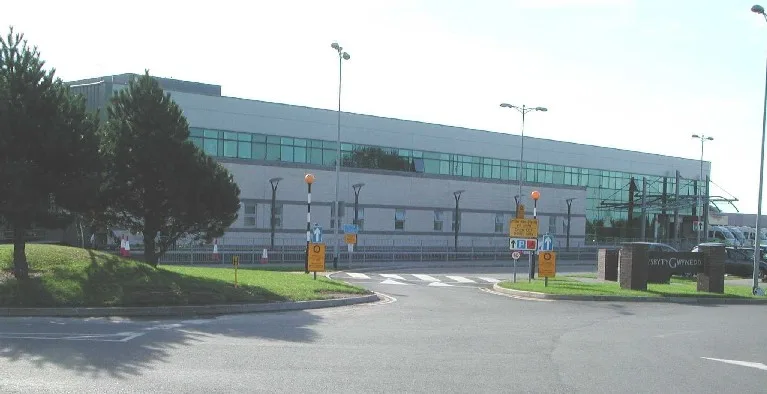
Politicians of every stripe in north Wales are objecting to a plan that would close urgent primary care centres at three hospitals. The health board behind it, already under heavy scrutiny, points to money and staffing.
Cross-party warning
Local MPs and members of the Senedd, the Welsh parliament, from across the political spectrum have written to the board. They warn of "dire consequences", among them extra strain on the very services the centres were meant to relieve.
Janet Finch-Saunders, the Conservative member for Bangor Conwy Môn, argued that the centres take weight off accident and emergency departments. They matter, she said, when people cannot see their GP but need care at once. Her warning: "Without them, existing waiting times could increase, potentially leading to delays in treatment."
What an urgent primary care centre does
Urgent primary care centres, or UPCCs, bring together GPs, advanced nurse practitioners and physiotherapists. They are comparable to urgent treatment centres in England.
Wales began setting them up in 2020. The aim was to ease demand on GP practices and emergency departments.
Three sites, one deadline
Betsi Cadwaladr University health board is consulting on ending the service at Ysbyty Penrhos Stanley in Holyhead, Ysbyty Alltwen in Tremadog and Ysbyty Gwynedd in Bangor. The target date is April 2027.
A consultation means the board is gathering views on the proposal. The reasons it gives are funding and recruitment. The board covers about a quarter of the Welsh population.
A board under strain, a service under pressure
The board has been in special measures since 2015, over worries about care quality, patient safety and leadership. In June it was handed one last chance to improve. Its chief executive, Carol Shillabeer, said in a statement that access to urgent and emergency care remained a priority.
Money is tight across the country. Almost half of the Welsh government's £27.5bn budget goes on the NHS, yet Wales has slipped behind the other UK nations on several key measures despite big funding rises.
Six of its seven health boards were found recently to have missed their legal duty to break even across three years, as they struggle to hold down day-to-day costs.
Powys health board, which spans a quarter of the country, said in September that it was weighing cuts of 100 community hospital beds and a merger of minor injury services such as X-rays. Critics say that would make care harder to reach for an ageing population in a rural region with poor public transport.
Stakes for the new government
Polls show the NHS is by a wide margin the top concern of Welsh voters. Many see fixing the service as the biggest test among the money problems facing the Plaid Cymru government, which came to power in May.
Our View
This is a consultation, so nothing is settled. The decisive moment will come when the board weighs the replies against its funding and recruitment limits. If the centres do close, the test will be whether waiting times in emergency departments rise, as the politicians predict, or whether other services absorb the demand.
Source: The Guardian