Bank of England Deputy Says Young Workers Bear Cost of Slow Hiring
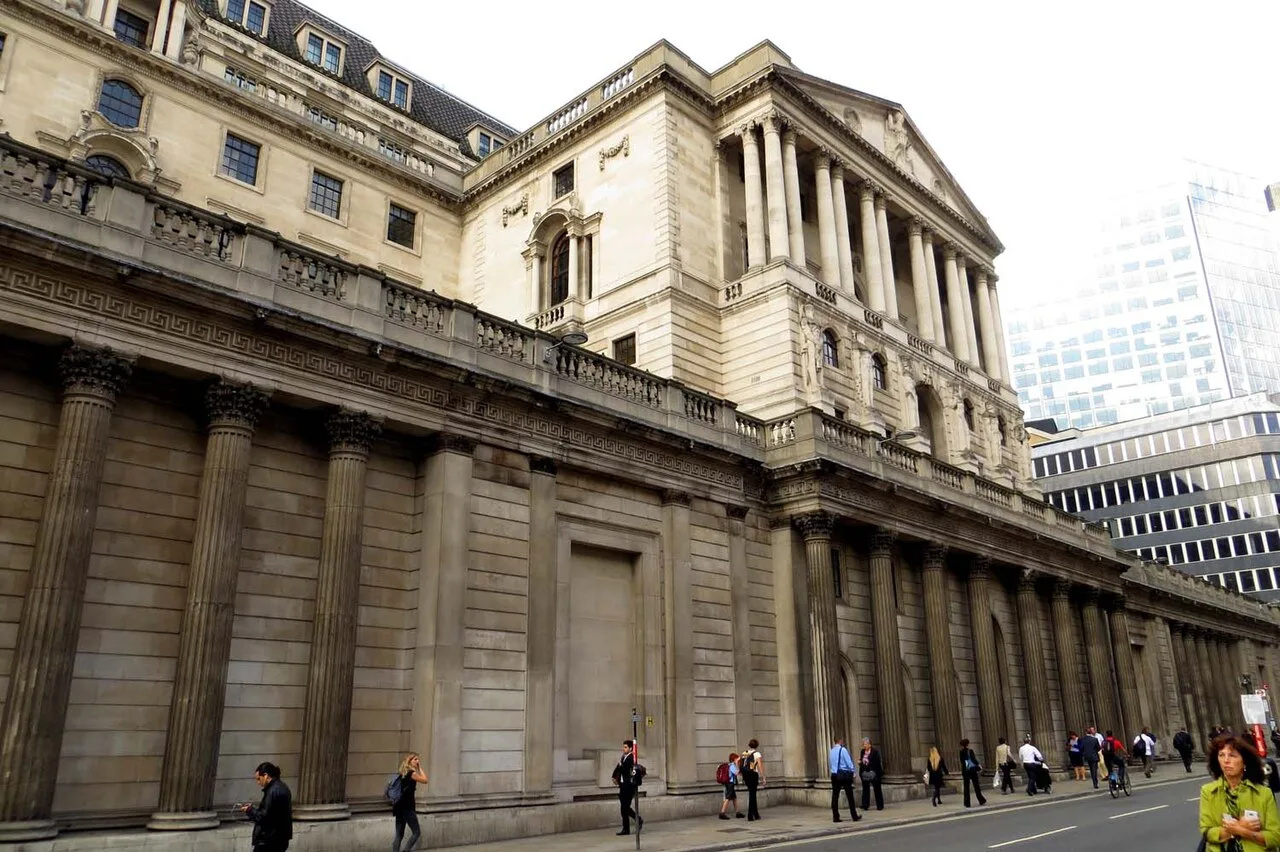
Young people are paying the price of a stalled jobs market, a deputy governor of the Bank of England has said. Employers are holding on to staff but barely recruiting, and that leaves newcomers with few doors to knock on.
"Low hire, low fire"
Clare Lombardelli, the Bank's deputy governor for monetary policy, told the Guardian that the conflict in the Middle East has pushed up energy prices and clouded the economic outlook. In her words, the UK has a "low-gear economy". Firms are not making many redundancies, but they have cut back sharply on hiring.
She said employers are waiting to see whether the uncertainty clears. "None of us thought we'd be nine months into this conflict," she said. The result, in her view, is simple: people new to the labour market are the ones who lose out.
Unemployment in the UK has risen this year to 4.7%. Youth unemployment has climbed faster, to its highest level outside the Covid pandemic since 2015. The number of young people not in education, employment or training is close to a million.
Where the first jobs have gone
Lombardelli pointed to hospitality and retail, the sectors that often give young people their first start. She said the slump is clearest in those sectors. Employers surveyed by the Bank told it that hiring a young person feels riskier than it used to.
Alan Milburn, a former Labour cabinet minister, is writing a report on young people and work, and the government is waiting for its findings. The Guardian reported on 10 November that it was due the following week. Andy Burnham's government treats youth jobs as a growing priority.
A live decision on interest rates
The Bank's latest move was a rise in its base rate from 3.75% to 4%, the first increase in three years. Lombardelli was among the majority on the Monetary Policy Committee who voted for it. She said another quarter-point rise could be warranted as early as December, and called that "certainly plausible".
She put the market's pricing at about 50/50 for December. Her own view depends on the conflict, on energy prices and on the wider data. She would not rule a rise out, but said she did not have enough information yet.
Governor Andrew Bailey was among those who raised the prospect of another rise soon, and Lombardelli sided with them. A resolution to the Iran conflict is the key factor that will shape the decision.
Oil has dropped below $100 a barrel after the Democrats' wins in the US Congress, which some investors read as a limit on Donald Trump's ability to prolong the Iran conflict. Trump said at the weekend that fresh attacks on Iran were highly unlikely while talks progressed.
Why a weaker jobs market may not cool prices
The Bank is watching the labour market closely. Its worry is that high inflation could become embedded if workers gain enough bargaining power to win bigger pay rises, which firms then pass on in prices. A weaker market would reduce that risk.
Lombardelli cautioned that higher unemployment does not automatically ease inflation. Employers who keep the staff they need are only hiring for roles that are hard to fill. "You can have higher unemployment without it exerting a downward pressure on inflation," she said. "So that's obviously a problem."
She was due to set out her concerns about the loss of labour market dynamism in a speech in London on Tuesday.
Source: the Guardian