Four Planned UK Data Centres Weigh Gas Power Despite Net Zero Aim
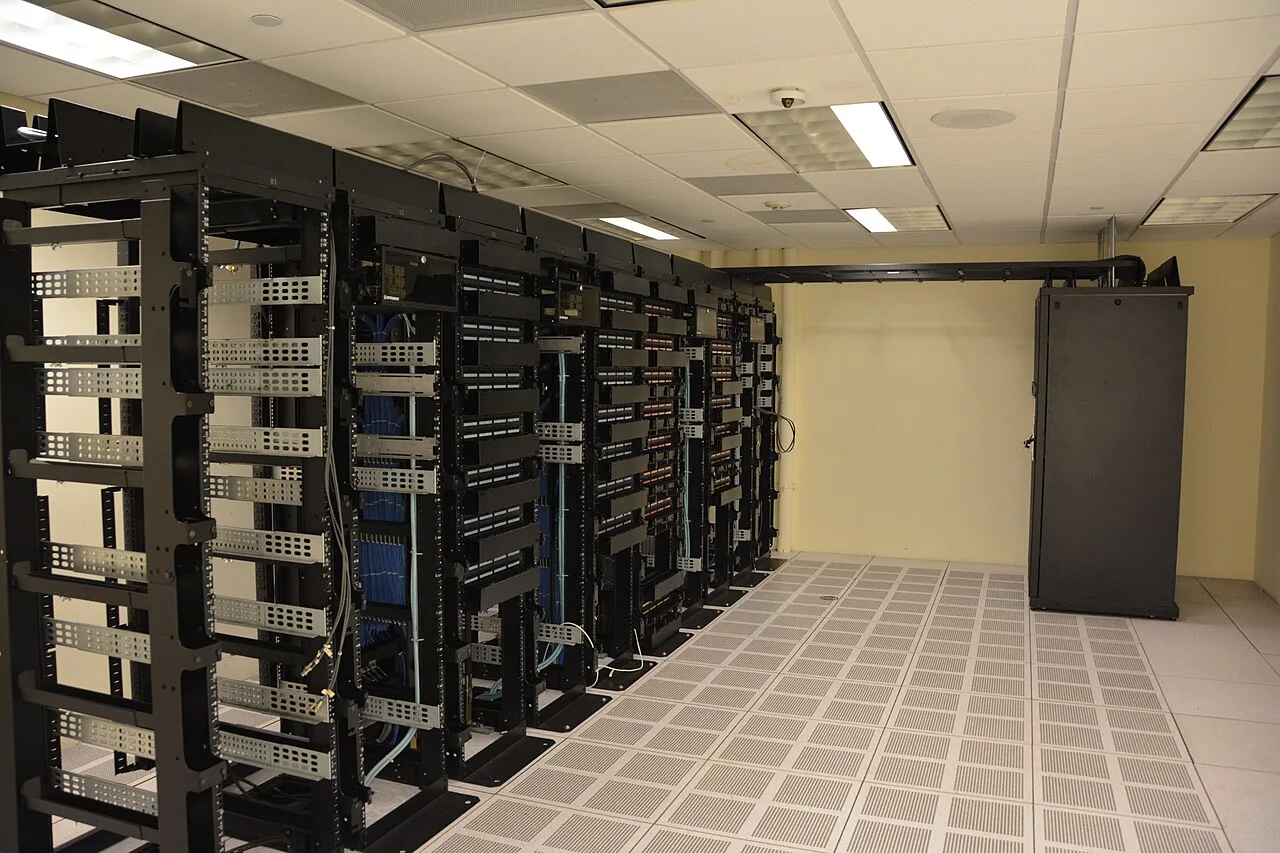
The government's plan to let data centres generate their own power could clash with its 2050 net zero target. BBC research found four planned data centres already looking at gas-fired electricity.
The Budget rule behind it
In the Budget, Chancellor John Healey announced a British Data Centre Covenant. Operators must pay into local communities, provide jobs and keep water supplies safe, and in return they get priority grid connections. Where a connection is not available, developers will be allowed to build onsite power generation instead.
BBC File on 4 Investigates identified four planned "hyperscale" data centres that are weighing gas. Three are in the south of England. BBC calculations show that, running flat out, they would draw 1.3 gigawatts. The resulting emissions, put at 4.1 million tonnes a year, might top those of Manchester, Liverpool and Southampton combined.
A grid that is already full
Hyperscale sites are a newer generation of AI-driven data centres, far larger than the server warehouses Britain has had for over two decades. Ofgem says developers are seeking connections totalling 72 gigawatts. For comparison, the national peak in electricity use last year stood at 45 gigawatts.
Some developers have been told they may wait up to 10 years for a grid upgrade. Nathan McWhinnie of Ofgem said that in many places the grid is at capacity and that some of these projects are "the size of cities".
The four projects
At Acre Slough, west of London, developers say they could use gas engines of up to 49.5 megawatts while they wait for a connection that could take at least 10 years. At Wapsey's Wood in Buckinghamshire, next to the M40, a 200-megawatt gas power station is proposed. It could run until enough grid capacity exists, which is not expected before 2040.
In Cardiff, a data centre developer seeks permission for a temporary energy centre with turbines of up to 49.9 megawatts. According to planning documents, it could stay in use for up to five years if a grid connection is not secured in time. Developer Curtis Hall describes the turbine plan as a fallback for the worst case.
Quest Park wants a 1 gigawatt data centre on a quarry site in Bedfordshire, next to the planned Universal theme park. Its director, David Kohler, has said the company's energy mix is still being worked out. He argued that solar power for 1 gigawatt would need an area equal to 15% of Bedfordshire. The company is considering technologies that do not rely on gas combustion. All four projects say they plan to connect to the national grid when it can meet their needs.
Reaction and the government's reply
Toby Perkins, the Labour MP who chairs the Environmental Audit Select Committee, said more natural gas "can't be the future". Oliver Hayes of the charity Global Action Plan warned of local air pollution, noise and heavy use of local water. Buckinghamshire councillor Ed Gemmell, who leads the Climate Party, warned that, if allowed, it could set a precedent for gas-fired power stations across the country and make net zero targets extremely difficult to hit.
The government says data centres are essential to the economy and that pausing them would send jobs and investment overseas. It says any on-site generation would face tight controls and time limits, and be permitted only for exceptionally strategic projects.
Our view
The argument turns on how time-limited is defined. Wapsey's Wood and Acre Slough both describe waits for a connection that stretch to a decade or more. Those timescales may be hard to square with a stop-gap. The rules on which projects count as exceptionally strategic, and who decides, will show how much room the covenant leaves for gas.
Source: BBC News